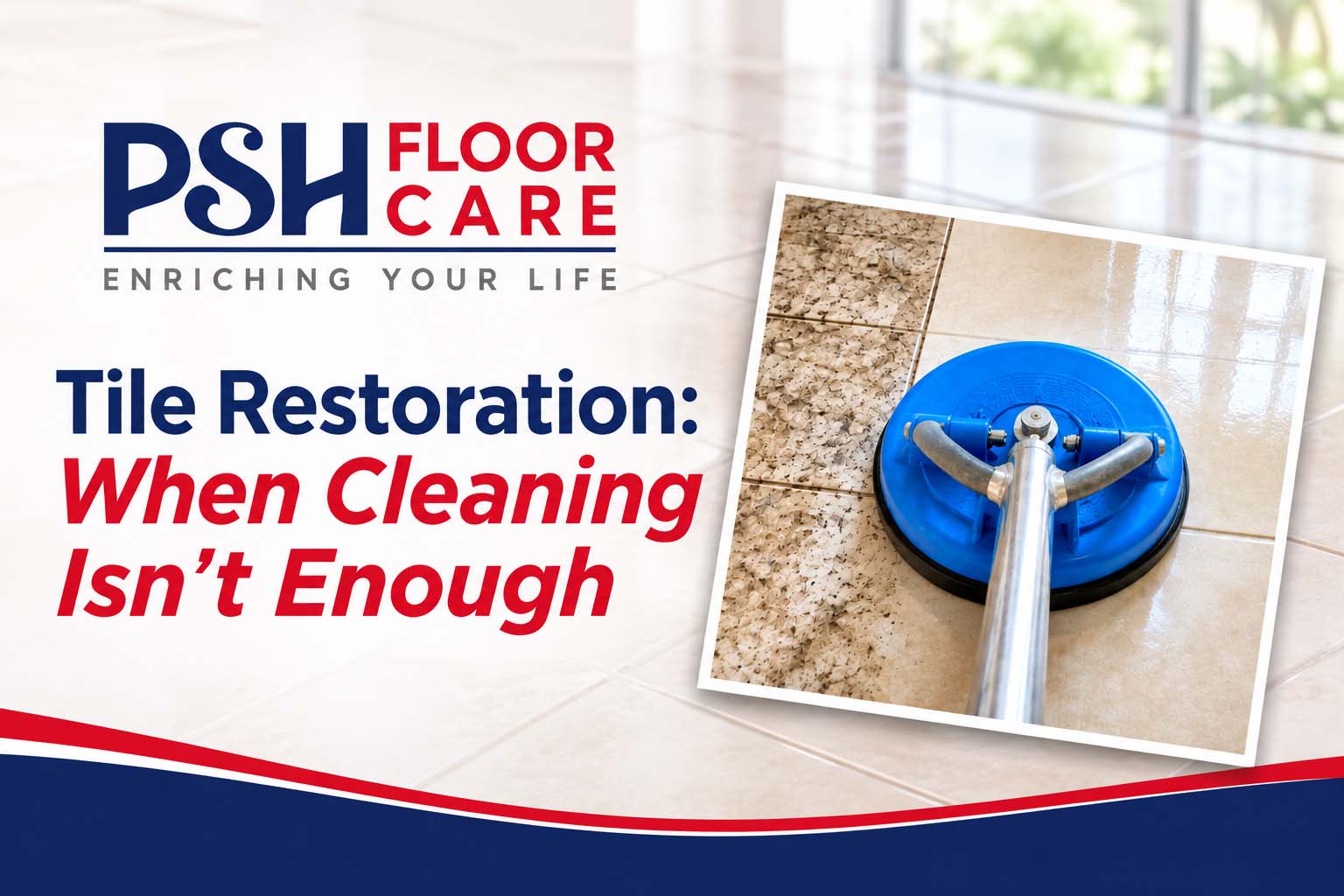
A tile floor can look permanently worn long before it is actually worn out. In many Memphis homes, the problem is not the tile itself. It is the soil packed into grout lines, residue left behind by household products, or moisture and traffic that have slowly dulled the finish. Professional tile restoration addresses those issues with surface-specific care, helping your floors look cleaner, brighter, and better protected without rushing into replacement.
For busy families, that matters. Replacing tile is disruptive, expensive, and often unnecessary. The right cleaning and protection plan can preserve the floors you already own, save you time, and remove one more stubborn cleaning job from your weekend.
What Tile Restoration Actually Means
Tile restoration is not a single process. It is a careful assessment of the tile, grout, soil conditions, and previous treatments, followed by the appropriate cleaning, repair, and protection steps. A ceramic or porcelain floor may need deep soil removal and grout sealing. Natural stone may need a gentler cleaning approach, polishing, or a penetrating sealer designed for that specific stone.
The goal is not to make every floor look brand new regardless of its condition. Some chips, cracks, worn glaze, and permanent discoloration cannot be cleaned away. A trustworthy professional should explain that difference clearly. Restoration is about improving appearance, sanitation, and long-term performance while protecting the surface from avoidable damage.
Grout usually creates the biggest visual change. Because it is porous, it absorbs tracked-in soil, spills, oils, and moisture more readily than tile. A light-colored grout line can turn gray, brown, or nearly black in active areas such as kitchens, bathrooms, entryways, and laundry rooms. Mopping may clean the tile face while leaving that embedded grime behind.
Why Tile and Grout Lose Their Clean Look
Floors collect more than visible dirt. Fine grit from sidewalks and driveways acts like a mild abrasive under shoes and pet paws. Cooking residue settles near kitchen floors. Soap, body products, and hard-water minerals leave films in bathrooms. When a floor is cleaned with too much product or insufficient rinsing, residue can attract more soil and make the surface look dull again quickly.
Memphis-area humidity can add another challenge, particularly in bathrooms, mudrooms, and homes with frequent indoor-outdoor traffic. Moisture alone does not ruin every grout line, but it can encourage staining and make neglected grout harder to clean over time. Outdoor patios and hardscape surfaces face their own mix of pollen, algae, weather exposure, and red-clay soil.
A floor that looks dirty shortly after mopping is often signaling one of two things: the soil is embedded below the surface, or a film is sitting on top of it. Both require more than a stronger grocery-store cleaner.
Signs Your Floor May Need Professional Attention
Not every dull-looking tile floor needs full restoration work. Sometimes a careful deep cleaning and protective sealer are enough. It is time for an evaluation when you notice several of these issues:
- Grout remains dark or uneven after routine cleaning.
- Tile feels sticky, hazy, or slick even when it has been mopped.
- High-traffic paths look noticeably different from the rest of the room.
- Water darkens grout quickly instead of beading on the surface.
- Bathroom or kitchen floors have persistent stains, soap film, or mineral buildup.
- Natural stone has lost its clarity, polish, or even appearance.
If tile is loose, cracked, or missing, cleaning alone will not solve the underlying problem. Those conditions may point to movement in the subfloor, failed adhesive, or water intrusion. Addressing the repair first protects the value of any cleaning or sealing work that follows.
The Right Process Depends on the Surface
Ceramic and porcelain tile are durable, but they are not invincible. Aggressive acids, abrasive powders, and harsh tools can damage grout, strip sealers, and leave a dull finish. The same approach is even riskier on natural stone. Marble, travertine, limestone, slate, and other stone surfaces have different mineral compositions and finishes. A product that seems effective on one surface can etch or discolor another.
A professional process begins with identifying the material and the source of the soil. Technicians then use appropriate solutions to loosen embedded grime, followed by agitation and powerful extraction or rinsing to remove contaminants rather than simply moving them around. The floor should be left without a heavy cleaning residue that attracts new dirt.
For grout that is clean but still uneven in color, color sealing may be worth discussing. Unlike a standard clear sealer, grout color sealing can refresh the appearance of stained or blotchy grout while adding a protective barrier. It is a useful option in some homes, but it is not necessary for every floor. The condition of the grout, desired appearance, and maintenance expectations all matter.
Sealing Is Protection, Not a Shortcut
A quality sealer helps resist spills and soils, buying you time to clean up everyday messes before they settle in. It does not make tile or grout maintenance-free. Kitchen spills, pet accidents, and bathroom products still need prompt attention, especially on natural stone and unglazed materials.
The best time to seal is after the surface has been thoroughly cleaned and allowed to dry as needed. Sealing over dirt or moisture can trap problems beneath the protective layer. When done properly, sealing supports easier ongoing care and helps reduce the frequency of major restoration work.
Why DIY Methods Can Backfire
There is nothing wrong with regular home maintenance. Sweeping, vacuuming hard floors with an appropriate setting, and damp mopping with a neutral cleaner all help preserve your investment. The trouble begins when stubborn grout stains lead to extreme measures.
Bleach, vinegar, acidic cleaners, and abrasive scrubbers are common DIY choices, but they can create trade-offs. Bleach may lighten some stains without removing the soil causing them, and repeated use can weaken grout. Vinegar is not safe for many natural stone surfaces. Abrasive powders and stiff brushes can scratch finishes or wear away grout joints.
Steam can be useful in limited situations, but it is not a universal answer. On damaged grout, loose tile, or areas with compromised caulk and sealant, excessive heat and moisture may worsen existing weaknesses. If the floor has been sealed, the method also needs to be compatible with that sealer.
Professional care is not about making cleaning more complicated. It is about avoiding the costly cycle of trying product after product, getting inconsistent results, and eventually facing unnecessary repair or replacement.
Keeping Restored Tile Looking Better Longer
After tile restoration, simple habits make a meaningful difference. Use mats at exterior entrances to reduce grit, and clean or shake them out regularly so they can do their job. Wipe up spills promptly, particularly oils, colored drinks, and pet accidents. In bathrooms, improving ventilation and using a squeegee on shower walls can reduce soap buildup and mineral deposits.
For routine floor care, less product is often better. Use a cleaner intended for your tile or stone type, follow the dilution directions, and avoid soaking grout with excessive water. A damp mop and clean water for rinsing are usually more effective than repeatedly applying a concentrated product.
Maintenance timing depends on household activity. A quiet guest bathroom may need professional attention far less often than a busy kitchen with children, pets, and daily cooking. Entryways, commercial lobbies, break rooms, and restrooms may benefit from scheduled care because the visible wear accumulates faster. A maintenance plan turns floor care into a predictable part of property upkeep instead of an emergency project before guests arrive or a lease inspection is due.
Protect the Floors You Already Love
Tile should make daily life easier, not become another surface you feel obligated to hide. Whether your grout has darkened over years of family traffic or a natural stone floor has lost its original character, the right treatment starts with a careful look at what the surface needs - and what it does not.
PSH Floorcare helps homeowners and property managers make practical decisions about tile, grout, natural stone, and protective sealing. A professional evaluation can clarify whether deep cleaning, sealing, polishing, or repair coordination is the sensible next step. Giving your floors the right care now is often the simplest way to keep your home cleaner, save money, and worry less later.