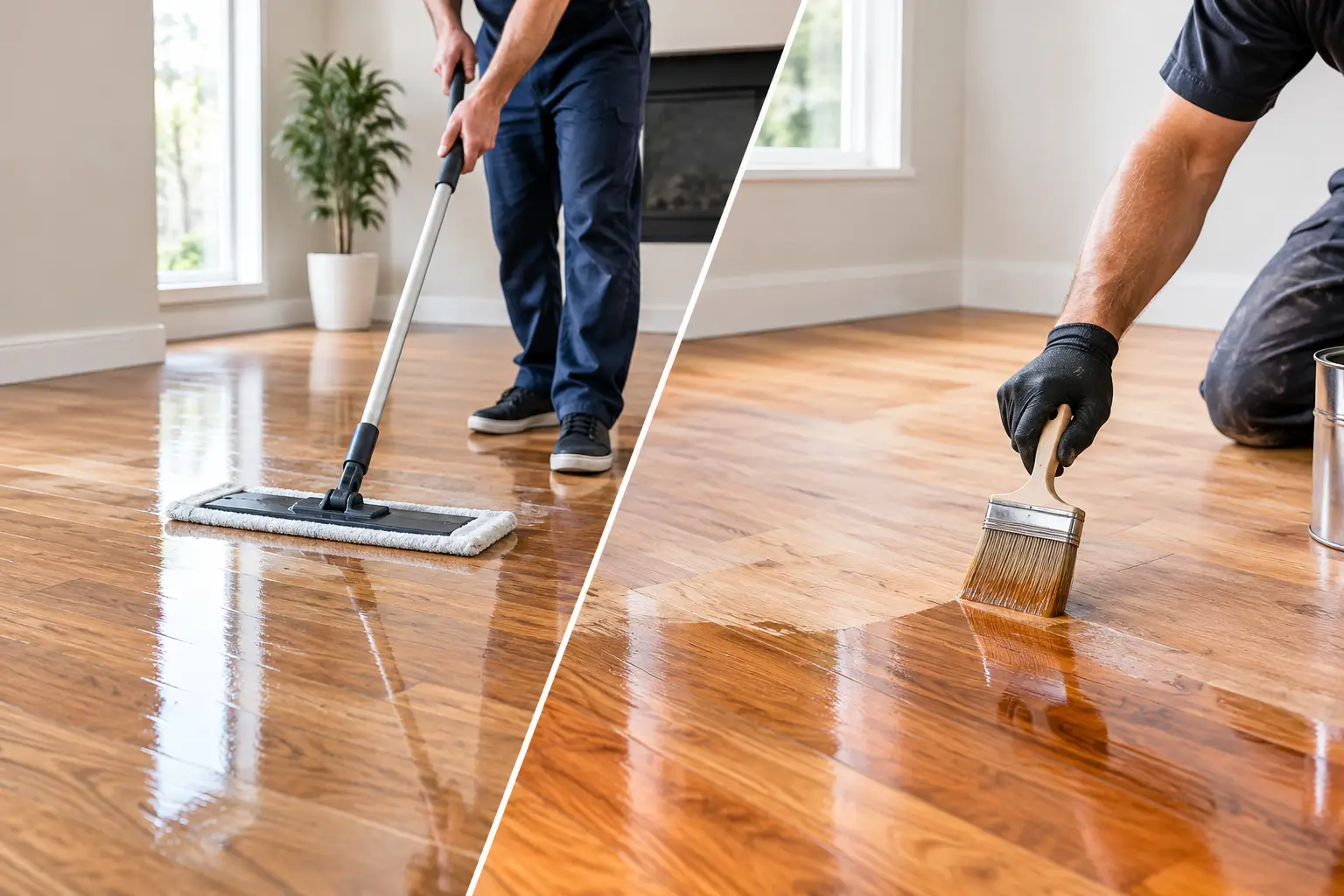
A vacant rental can look freshly painted, professionally cleaned, and ready for photos – then a prospective tenant walks in and catches the smell of pets, smoke, cooking grease, or mildew. That first impression is hard to recover from. Effective rental turnover odor removal is not about covering a problem with fragrance. It is about finding where odor molecules settled and treating the materials holding them.
For property managers and owners in Memphis and the surrounding communities, this matters because a delayed turnover costs more than a cleaning appointment. Lingering odor can lead to longer vacancy periods, tenant complaints, rushed concessions, and premature replacement of carpet, padding, or furnishings. The right process protects the unit, the next resident, and your budget.
Why rental turnover odors come back
Odors are usually not floating freely in the air. They are attached to surfaces and trapped in porous materials. Carpet fibers, carpet backing, pad, subfloor, upholstery, drapery, grout, unfinished wood, and even HVAC returns can absorb odor over time.
That is why a unit may smell acceptable right after a basic cleaning, then develop an unpleasant odor again when humidity rises, the air conditioner runs, or the home has been closed for a few days. A deodorizer may improve the air temporarily, but it cannot remove urine salts beneath the carpet or nicotine residue clinging to walls and fabrics.
The source also determines the proper treatment. Pet urine calls for a different approach than cigarette smoke. Musty odors may point to moisture or a hidden leak, while a greasy kitchen odor may require detailed cleaning of cabinets, walls, filters, and nearby soft surfaces. Treating every odor the same is how turnover work gets repeated.
Start with an odor assessment, not a perfume
Before scheduling repairs, replacement, or a general cleaning crew, walk the unit with the windows closed and the HVAC running as it normally would. Notice where the odor is strongest. Is it concentrated in one bedroom? Does it become more noticeable near a return vent, under a window, or along a baseboard?
A careful assessment looks beyond the obvious. Carpet may be the main culprit, but it is not always the only one. A pet accident can migrate through carpet and pad into the subfloor. Smoke residue can settle into upholstered window treatments and closet interiors. A musty smell may be a cleaning issue, but it may also signal an active moisture problem that needs to be repaired before any deodorizing work begins.
For pet-related concerns, professional inspection tools can help locate affected areas that are not visible in normal lighting. This is especially valuable in a vacant unit, where the former tenant’s furniture no longer covers the spots that need attention. Identifying the full affected area prevents a frustrating partial treatment.
Document what you find
Good turnover decisions are easier when the condition is documented before work begins. Take photos of stains, damaged flooring, moisture marks, and any visible residue. Make notes about the odor type and location. This creates a clearer scope for vendors, helps support deposit decisions when appropriate, and gives maintenance teams a record if the odor returns.
Documentation also keeps replacement decisions practical. Not every stained carpet needs to be removed, and not every odor can be solved with cleaning alone. The goal is to make an informed choice rather than spend money twice.
Match the treatment to the odor source
The best rental turnover odor removal plan is usually layered. Cleaning, source treatment, drying, and protection all have distinct roles. Skipping one step can leave the unit looking improved but still vulnerable to odor returning.
Pet urine and animal odors
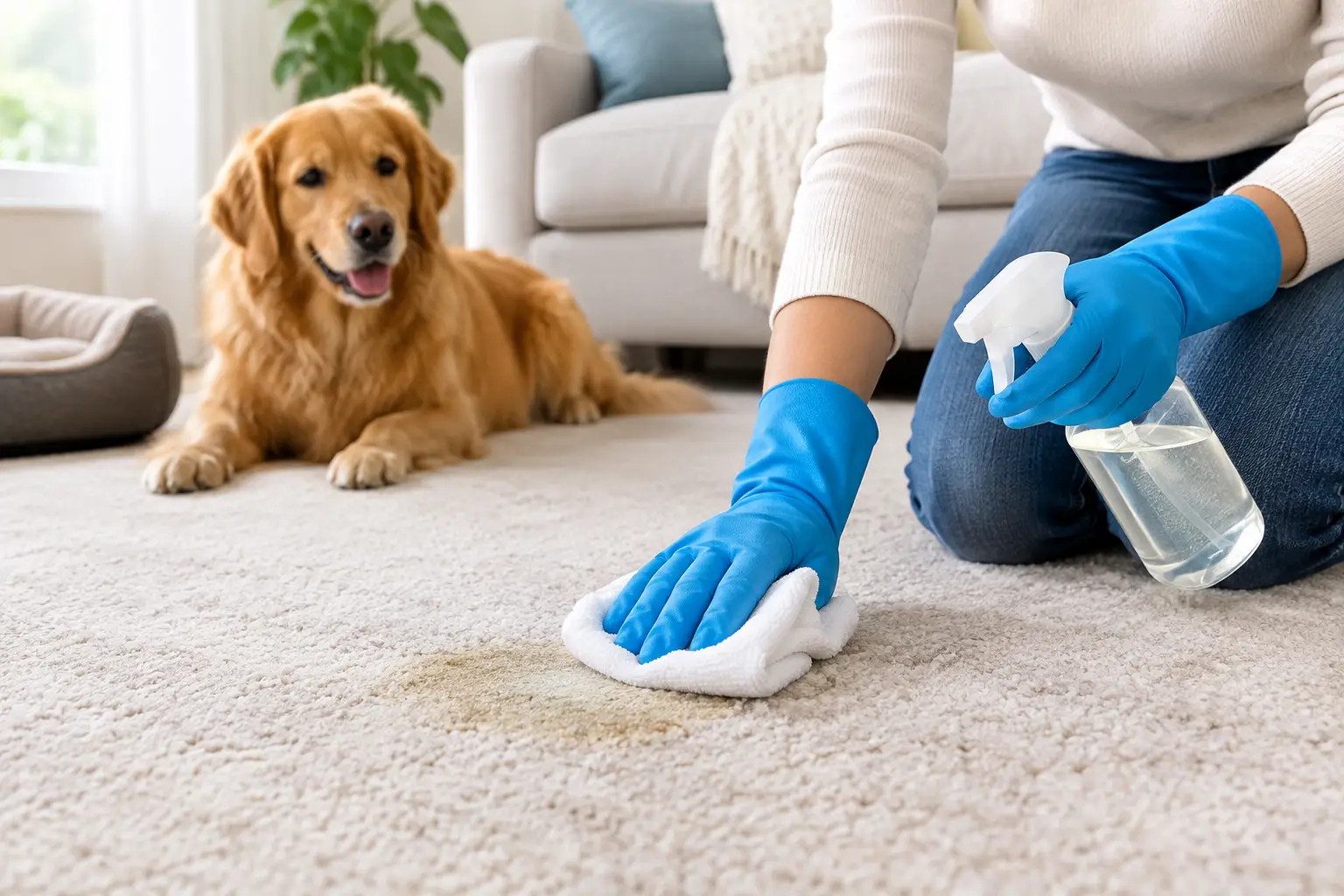
Pet odor is one of the most common and most misunderstood turnover issues. Surface cleaning can remove visible soil, yet odor-causing contamination may remain below the carpet. When urine has soaked through, the carpet fibers, backing, pad, tack strip, and subfloor may all need attention.
A professional pet odor treatment should target the affected areas, not simply apply deodorizer across the entire room. Depending on the extent of contamination, treatment may involve flushing and extraction, specialized odor-neutralizing products, pad replacement, or sealing the subfloor after contaminated materials are removed. In severe cases, carpet replacement is the honest recommendation.
This is where a guaranteed pet odor treatment offers real value. The work should be based on what is actually present in the unit, with clear expectations about whether cleaning, repair, or replacement is needed to resolve the problem.
Cigarette smoke and heavy fragrance
Smoke odor is particularly persistent because residue adheres to nearly every surface. Carpet cleaning alone will not solve it. Walls, ceilings, trim, cabinets, blinds, light fixtures, air filters, and soft furnishings may all hold residue. Strong plug-ins and scented sprays often make the situation worse by creating a smoke-and-fragrance combination that prospects notice immediately.
The proper sequence is detailed residue removal first, then cleaning of textiles and floors, followed by odor treatment as needed. If smoke contamination is extensive, painting or sealing may be part of the restoration plan after surfaces are properly cleaned. Painting over residue without preparation can leave odor behind and affect finish quality.
Musty, mildew, and water-related odors
A musty unit should never be treated as a simple fragrance problem. First, identify and correct the moisture source. It could be a plumbing leak, roof intrusion, poor drainage, condensation around an HVAC system, wet carpet padding, or insufficient ventilation.
Once the area is dry and the cause is addressed, affected surfaces can be cleaned and evaluated for restoration. Carpet that remained wet too long may need to be removed, especially when padding or subfloor materials are compromised. For hard surfaces, professional cleaning and appropriate sealing can help reduce future absorption and make routine maintenance easier.
Food, grease, and everyday household odors
Cooking odors often settle in kitchens, adjacent living areas, and fabric window coverings. Grease films can hold odor on cabinet faces, backsplashes, appliances, and walls. A focused clean of these surfaces, combined with carpet, rug, and upholstery care where needed, can make a major difference without unnecessary replacement.
Protect the surfaces you can keep
Turnover work should not treat every material as disposable. Quality carpet, area rugs, tile, natural stone, hardwood, laminate, and upholstery can often be restored when they receive the right surface-specific care.
For carpet, deep extraction removes embedded soil that ordinary vacuuming and spot treatment leave behind. In commercial or high-traffic settings, low-moisture cleaning can be a smart option when fast dry times and minimal disruption are priorities. The best method depends on the fiber type, soil level, odor source, and condition of the backing and pad.
Tile and grout can absorb soil and odor, particularly around bathrooms, laundry rooms, and entryways. Deep cleaning followed by a suitable sealer helps limit future staining and makes the next turnover easier. Natural stone needs even more care because acidic or harsh products can etch, dull, or damage the surface. A one-size-fits-all chemical approach is never worth the risk.
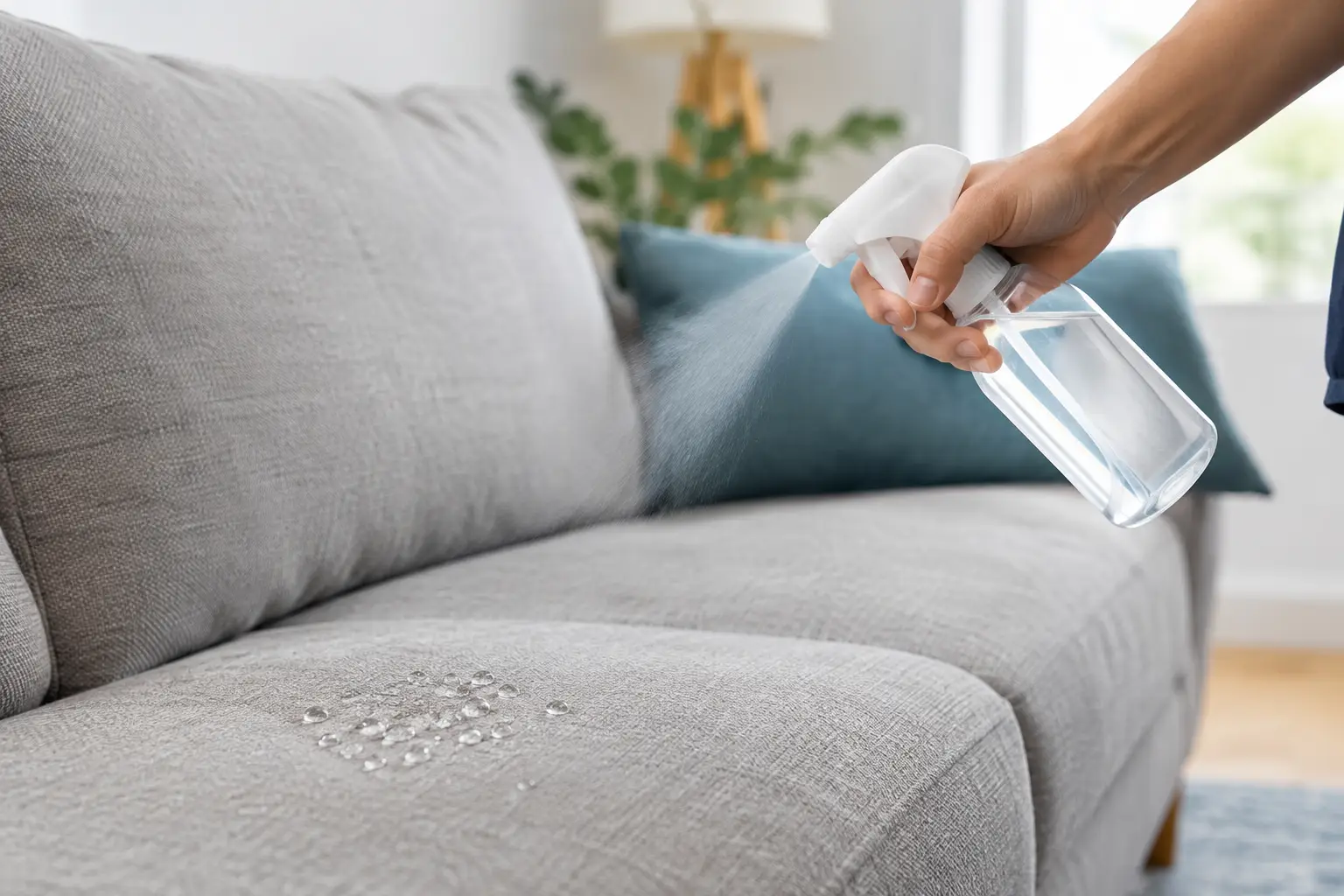
When carpets, rugs, or upholstery are still in good condition, protective treatments such as Fiber ProTector® can help resist future spills and soil. Protection is not a substitute for cleaning, but it can help extend the useful life of materials that would otherwise be replaced too early.
Know when replacement is the better investment
Professional cleaning is designed to preserve valuable surfaces, but there are situations where replacement is more responsible. Carpet and pad may need to come out when urine contamination is widespread, smoke residue is severe, mold growth is present, or the material is worn beyond restoration.
The key is to avoid replacing only the visible layer. If odor has reached the subfloor, new carpet installed over untreated contamination may absorb the same smell. Address the source before putting new materials in place. A sealed, properly treated subfloor can be the difference between a clean turnover and a costly callback.
Property owners should also consider the unit’s market position. In a well-maintained home competing for quality tenants, a persistent odor can be more expensive than a targeted restoration or replacement decision. A cleaner first showing supports better applications and a stronger long-term tenant relationship.
Build odor control into your turnover routine
The easiest odor problem to solve is the one caught early. Add an odor check to every move-out inspection, even when the unit appears clean. Inspect closets, bedroom corners, behind doors, near litter box locations, under removable rugs, and around HVAC returns. Replace filters between tenants and verify that drains, exhaust fans, and moisture-prone areas are working properly.
For managed properties with recurring traffic, scheduled floor and fiber care can reduce the buildup that makes turnover cleaning more difficult. PSH Floorcare helps property owners protect carpet, rugs, upholstery, tile, grout, stone, and hard surfaces with treatments chosen for the material and the condition at hand.
A vacant home should smell clean because it is clean, not because someone tried to hide what was left behind. When odor is addressed at its source, you can hand over the keys with greater confidence – and give the next tenant a home that feels cared for from the moment they walk in.