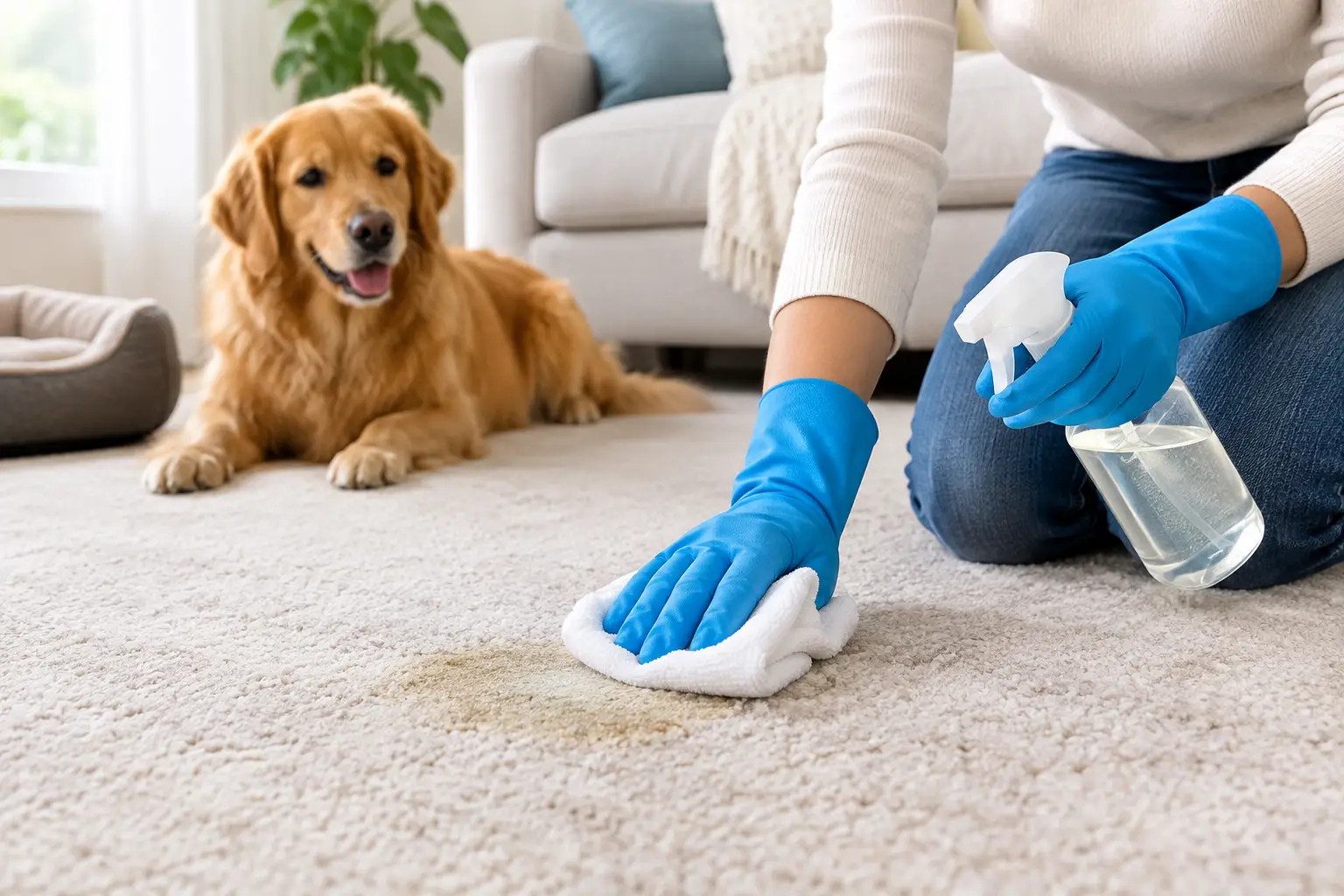
A pet accident is rarely just a surface mess. Urine can move through carpet fibers into padding, odors can settle into upholstery, and the wrong cleaner can dull hardwood, etch natural stone, or permanently set a stain. Knowing how to clean pet accidents safely helps protect the home you work hard to maintain while making the space more comfortable for every member of the family – including the four-legged ones.
The best approach is prompt, gentle, and surface-specific. Fast action matters, but aggressive scrubbing, heavy soaking, and harsh household chemicals often create a larger problem than the accident itself.
Start With Safety and the Right Supplies
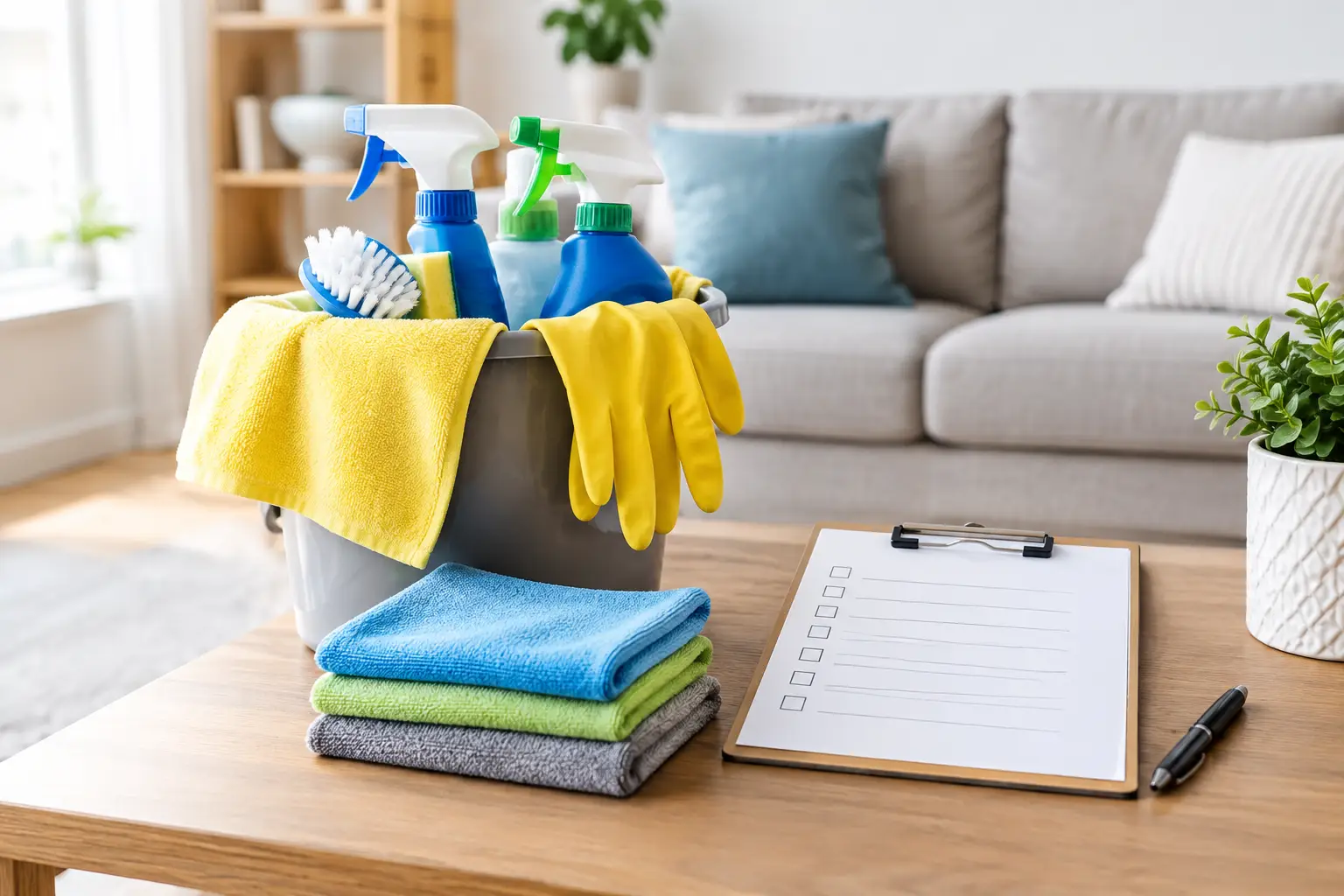
Before touching the affected area, keep children and pets away until the surface is clean and dry. Put on disposable gloves, especially when handling feces or vomit, and use paper towels or clean white cloths rather than colored towels that could transfer dye.
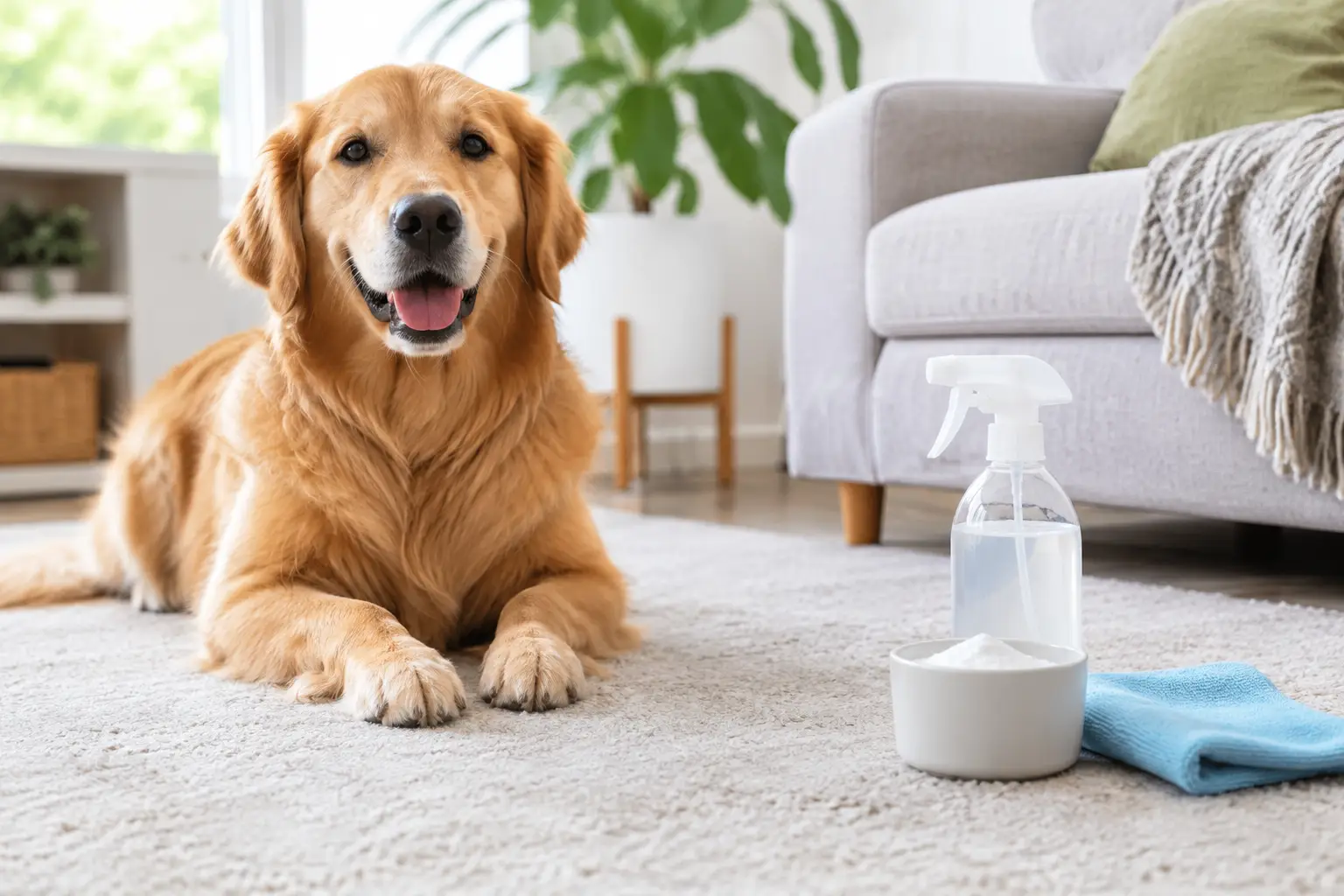
For most fresh accidents, you need absorbent towels, cool water, a small amount of mild cleaner approved for the surface, and an enzyme-based pet treatment. Enzyme products are designed to break down the organic material that causes lingering odor. They can be very useful, but they still need to be used according to the label and tested in an inconspicuous spot first.
Avoid combining cleaners. Bleach, ammonia, vinegar, peroxide, and commercial products can react unpredictably or damage finishes when layered together. Ammonia is an especially poor choice for pet urine because its smell can resemble urine to an animal and may encourage repeat marking.
How to Clean Pet Accidents Safely on Carpet
Carpet is where a small spot can become a deep odor concern. The visible stain may be limited to the top fibers, while urine can travel down to the backing, cushion, and even the subfloor beneath.
Blot, Never Scrub
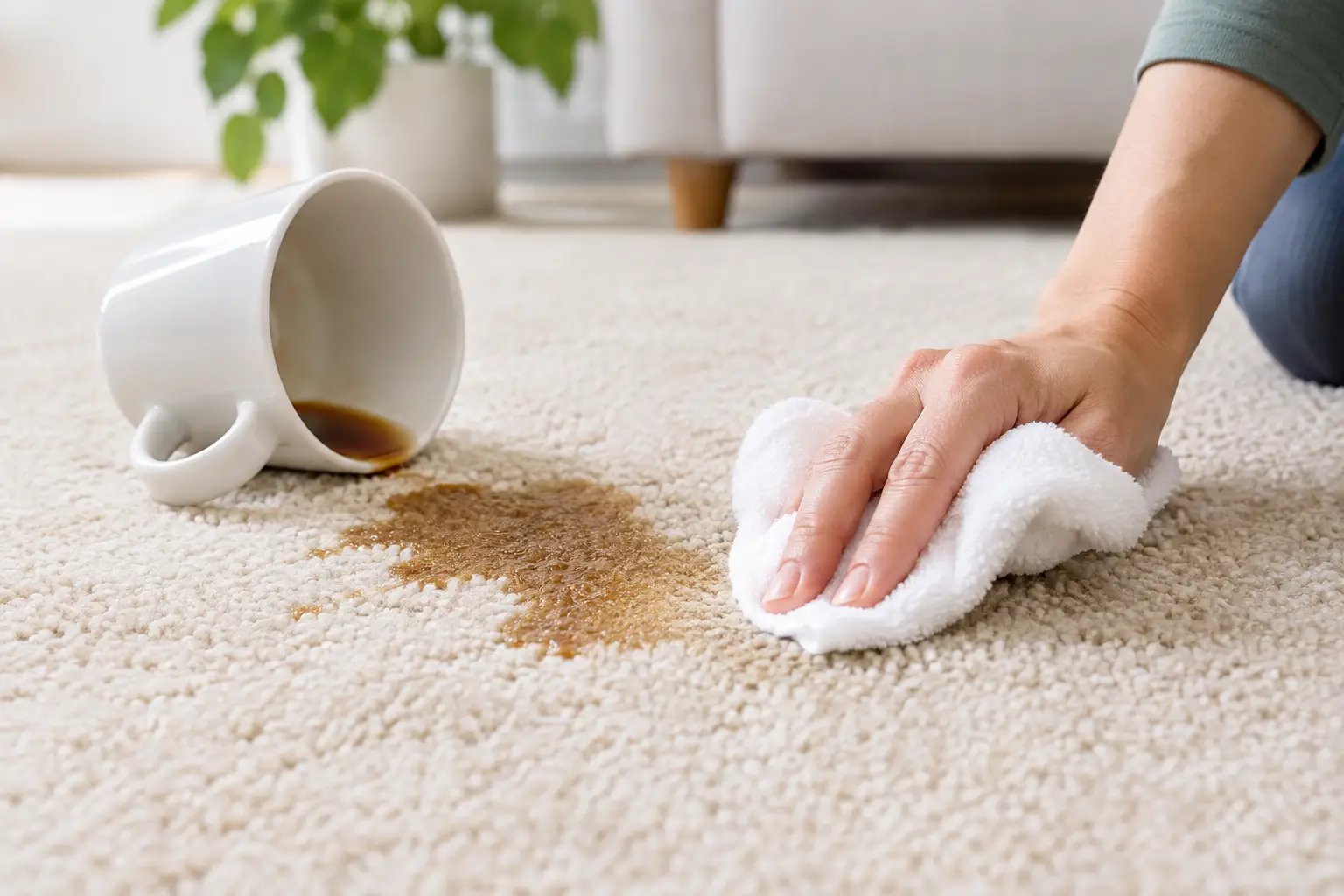
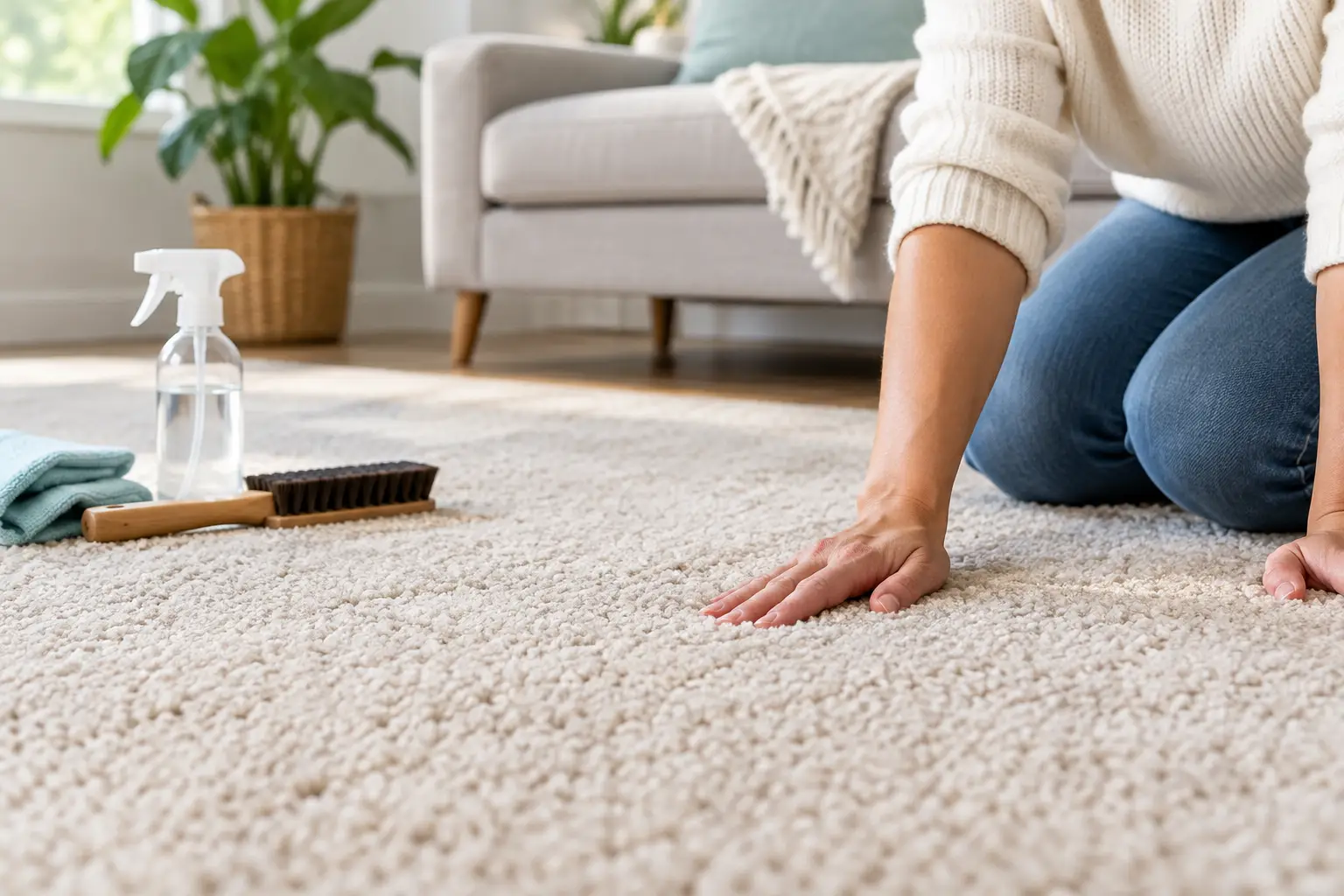
Place a thick layer of paper towels or a clean white towel over the fresh accident and press firmly. Stand on the towel if needed, using steady pressure to pull moisture upward. Replace the towels and repeat until they come away nearly dry.
Do not scrub back and forth. Scrubbing frays carpet fibers, spreads contamination over a larger area, and can push liquid deeper into the carpet. It can also distort the pile, leaving a rough-looking patch after the stain is gone.
Treat the Entire Affected Area
Once you have removed as much moisture as possible, apply an enzyme cleaner in the amount recommended by its manufacturer. For urine, the treatment must reach as deeply as the accident reached. A light mist on the top of the carpet may improve the smell temporarily, but it will not solve odor below the surface.
This is where DIY methods have a real limit. Too much liquid can soak the padding and create a moisture issue. Too little treatment leaves odor-causing residue behind. If the accident was large, has happened in the same area before, or returns after the carpet dries, professional extraction and odor treatment are often the safer investment.
Allow the area to dry fully before allowing pets back onto it. Use fans to improve air circulation, but avoid high heat, which can set certain stains and odors.
Rugs Need More Caution Than Wall-to-Wall Carpet
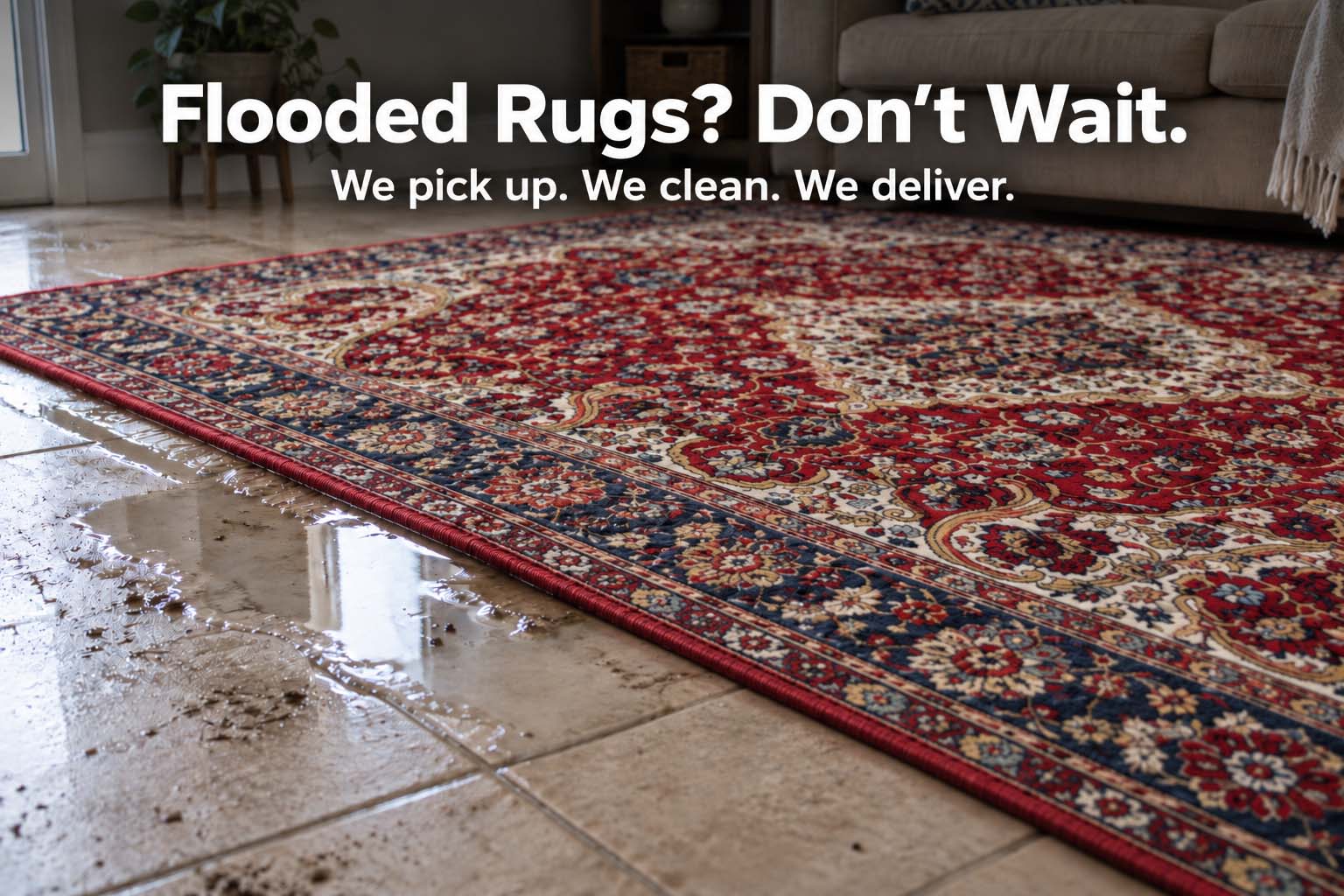
Area rugs, especially wool, silk, antique, hand-knotted, or oriental rugs, should not be treated like standard synthetic carpet. Their dyes, fibers, foundations, and fringes can react poorly to store-bought spot removers, alkaline cleaners, or excessive moisture.
For a fresh accident on a washable synthetic rug, blot promptly and use only a product approved for that fiber type. Do not saturate the rug. Moisture can migrate into the backing, where it becomes difficult to dry and can cause odor, browning, or backing deterioration.
For valuable rugs, blot the surface and stop there. Do not use vinegar, peroxide, dish soap, or a rental machine without knowing how the rug was constructed. Professional in-plant rug cleaning gives delicate rugs the controlled washing, drying, and odor treatment they need without risking color bleed or fiber damage.
Upholstery Requires a Light Touch
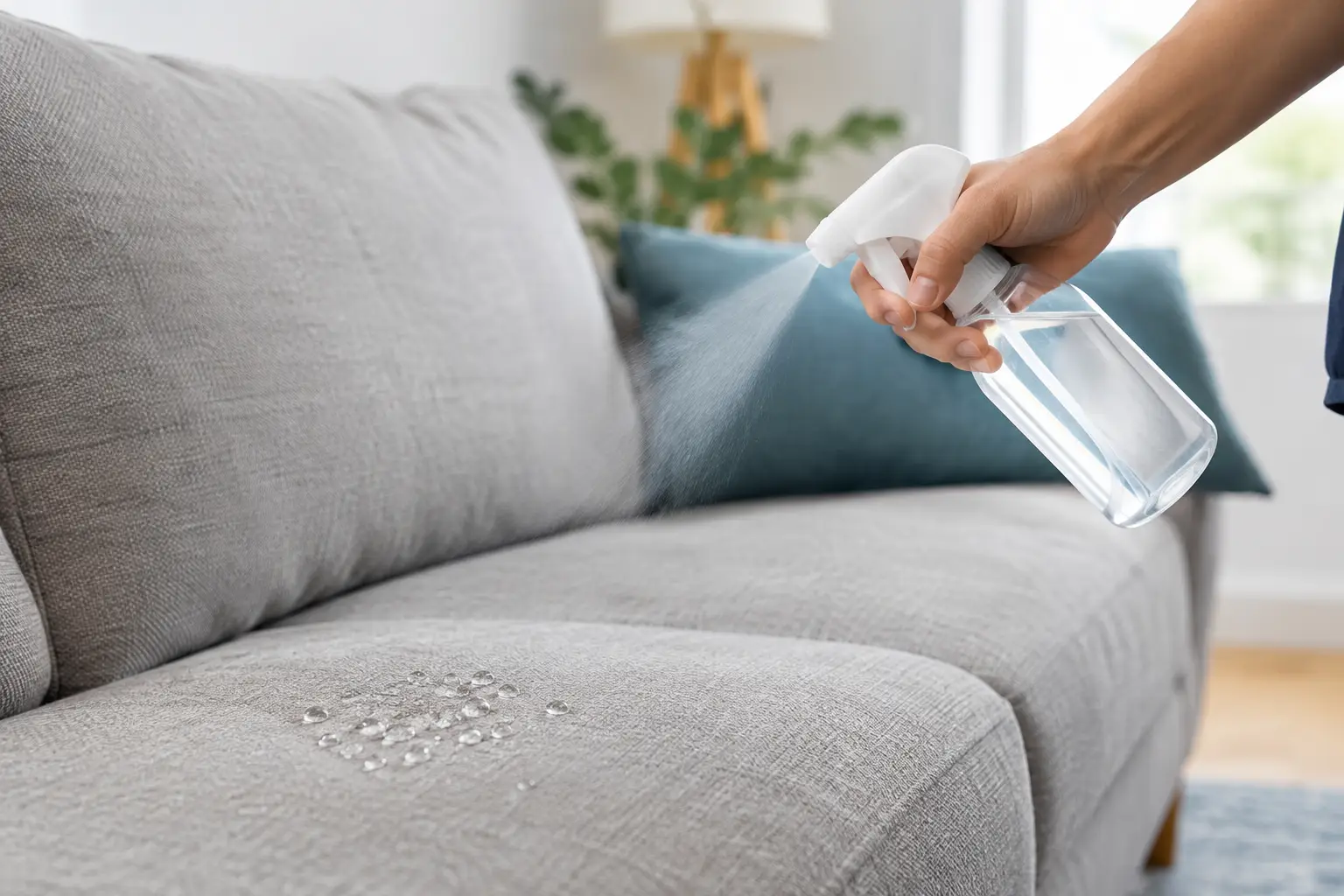
A pet accident on a sofa, chair, cushion, or mattress deserves quick attention, but upholstery should never be heavily soaked. Beneath the fabric is foam, batting, and sometimes wood or metal framing. Once urine reaches those materials, odor can persist long after the fabric looks clean.
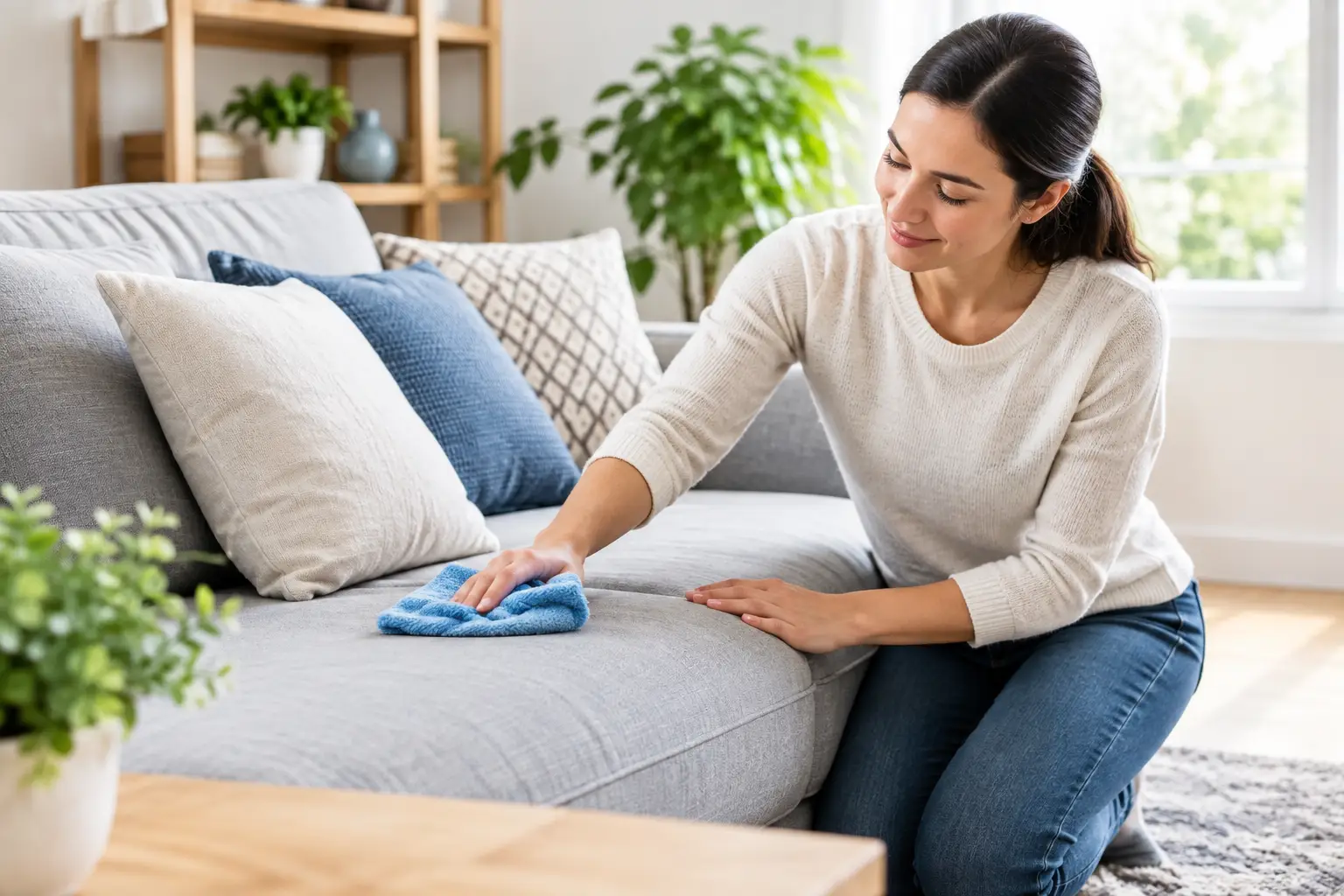
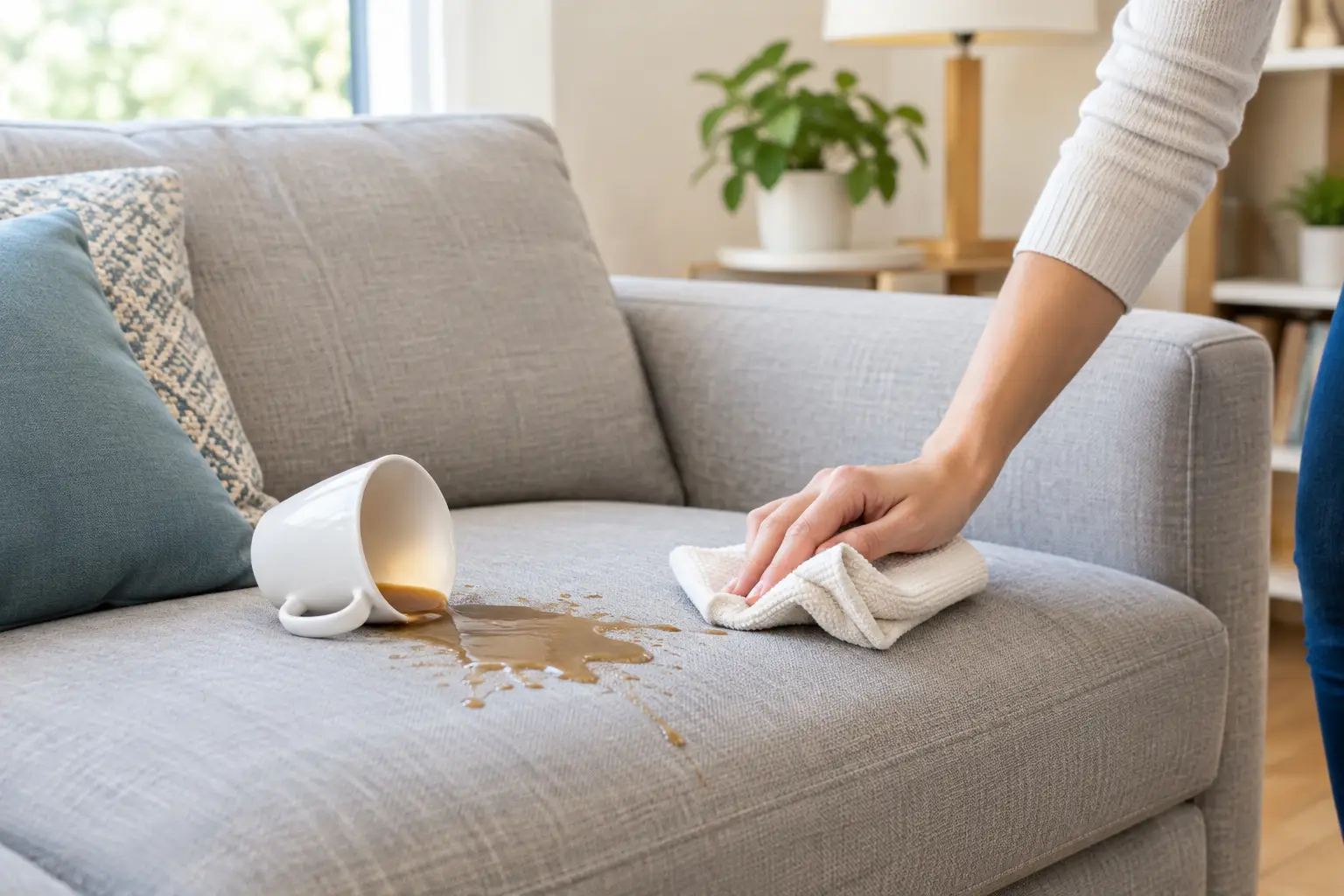
Blot the area with clean white towels, pressing rather than rubbing. If the manufacturer’s care tag permits water-based cleaning, apply a small amount of an appropriate upholstery-safe enzyme product to a hidden area first. Follow the product directions carefully and use minimal moisture.
Be especially cautious with velvet, linen, silk, rayon, leather, and furniture labeled with an “S” or “X” cleaning code. These pieces can water-spot, shrink, change texture, or experience color loss from the wrong treatment. In those cases, it is better to preserve the furnishing than gamble on a kitchen-cabinet remedy.
Handle Hard Floors According to the Material
Hard surfaces may seem simple, but their finishes and grout lines can absorb moisture or react to acidic and alkaline cleaners.
For sealed tile or vinyl, wipe up the accident immediately with paper towels, then clean with a neutral floor cleaner or mild soap solution approved for the surface. Rinse away residue with a lightly damp cloth and dry the area completely. Pay attention to grout lines, edges, and transitions near baseboards, where liquid can settle unnoticed.
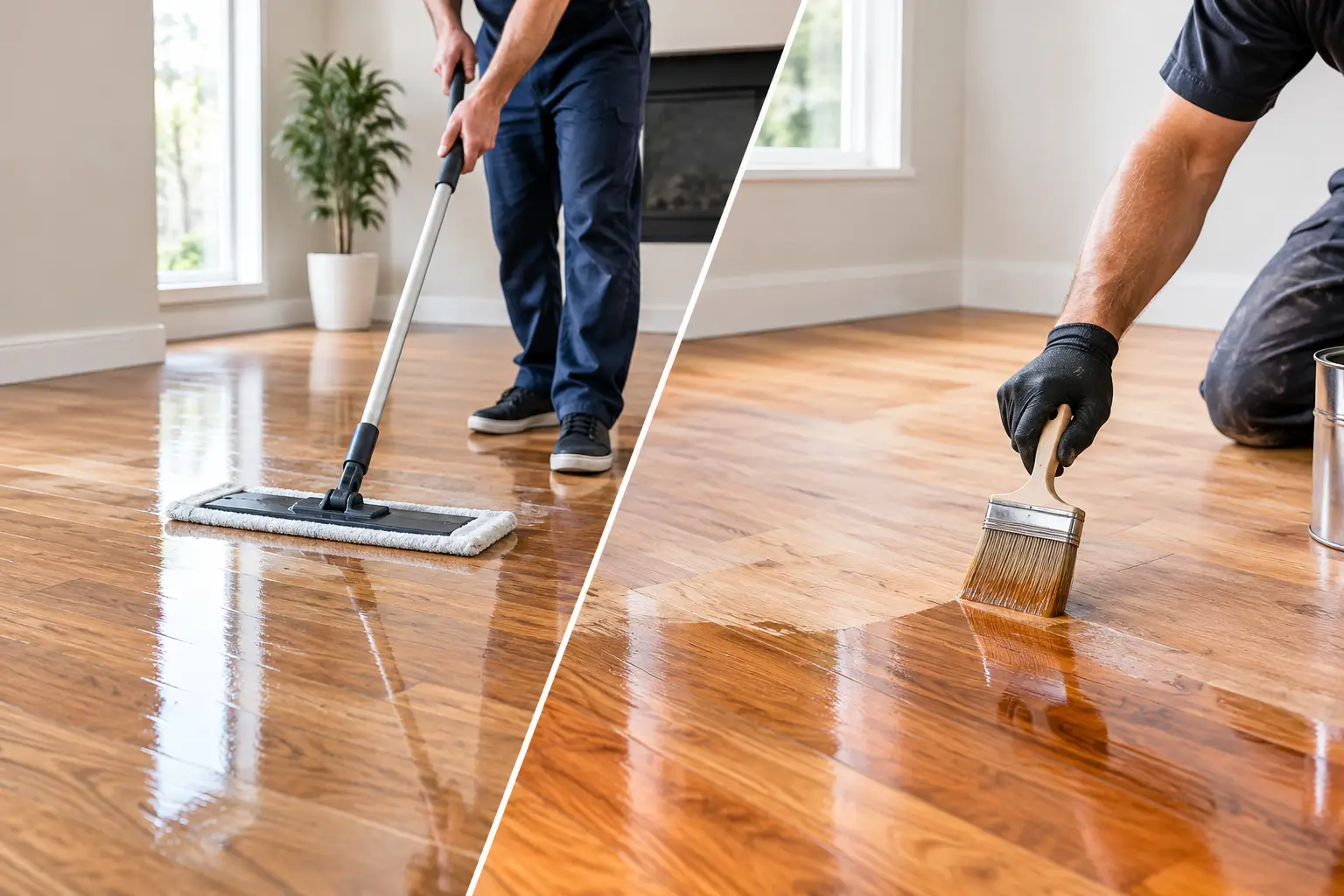
For hardwood and laminate, use as little moisture as possible. Blot first, then wipe with a barely damp cloth and a cleaner specifically made for the floor’s finish. Never flood the area, steam it, or leave water sitting on the boards. Pet urine can penetrate seams and cause dark staining, swelling, finish damage, or odor below the floor surface.
Natural stone calls for even more care. Marble, travertine, limestone, and some slate can be damaged by vinegar, citrus cleaners, and acidic pet stain products. These materials should be cleaned with a pH-neutral stone cleaner and dried promptly. If the spot looks dull, lighter than the surrounding stone, or etched after cleaning, stop experimenting. Polishing or sealing may be needed to restore the surface properly.
Do Not Let Odor Become a Repeat-Accident Problem
Pets often return to the same location because they can smell what people cannot. A room can appear clean while trace residues remain beneath carpet, inside padding, in upholstery foam, or along baseboards.
If your pet repeatedly chooses one spot, address both the cleaning issue and the behavior behind it. Rule out health concerns with your veterinarian, refresh the area with proper odor treatment, and limit access to the location until it is fully dry and odor-free. A black light may help reveal older urine deposits, although it is not a perfect diagnostic tool and can also illuminate other materials.
Air fresheners and scented sprays are not odor removal. They may cover the smell for a few hours, but they do not remove the source. Strong fragrance can also make a room uncomfortable for sensitive family members and pets.
When It Is Time to Call a Professional
A fresh, small accident on a durable, sealed surface is often manageable at home. It depends on the material, the amount of contamination, and how quickly you can act. However, repeated accidents, old urine odor, large stains, pet damage in multiple rooms, and contamination on fine rugs or upholstery deserve a more thorough response.
Professional odor control is designed to locate and treat contamination below the visible surface. Depending on the situation, that may include deep extraction, specialized odor treatments, controlled drying, and surface-appropriate cleaning methods. For carpets with severe or recurring urine damage, the treatment may need to extend to padding or subfloor materials to provide lasting results.
PSH Floorcare helps Memphis-area homeowners protect carpets, rugs, upholstery, tile, hardwood, and stone with surface-specific cleaning and GUARANTEED pet odor treatment. The goal is not simply to make the spot look better. It is to help prevent odor from returning and protect the investment beneath your feet and throughout your home.
A calm, quick response can make a major difference after an accident. Blot the mess, use the right product for the specific surface, avoid over-wetting, and trust your senses after everything dries. If the odor remains, the stain returns, or you are unsure what your flooring or furnishing can safely handle, getting expert help early can save time, money, and worry later.