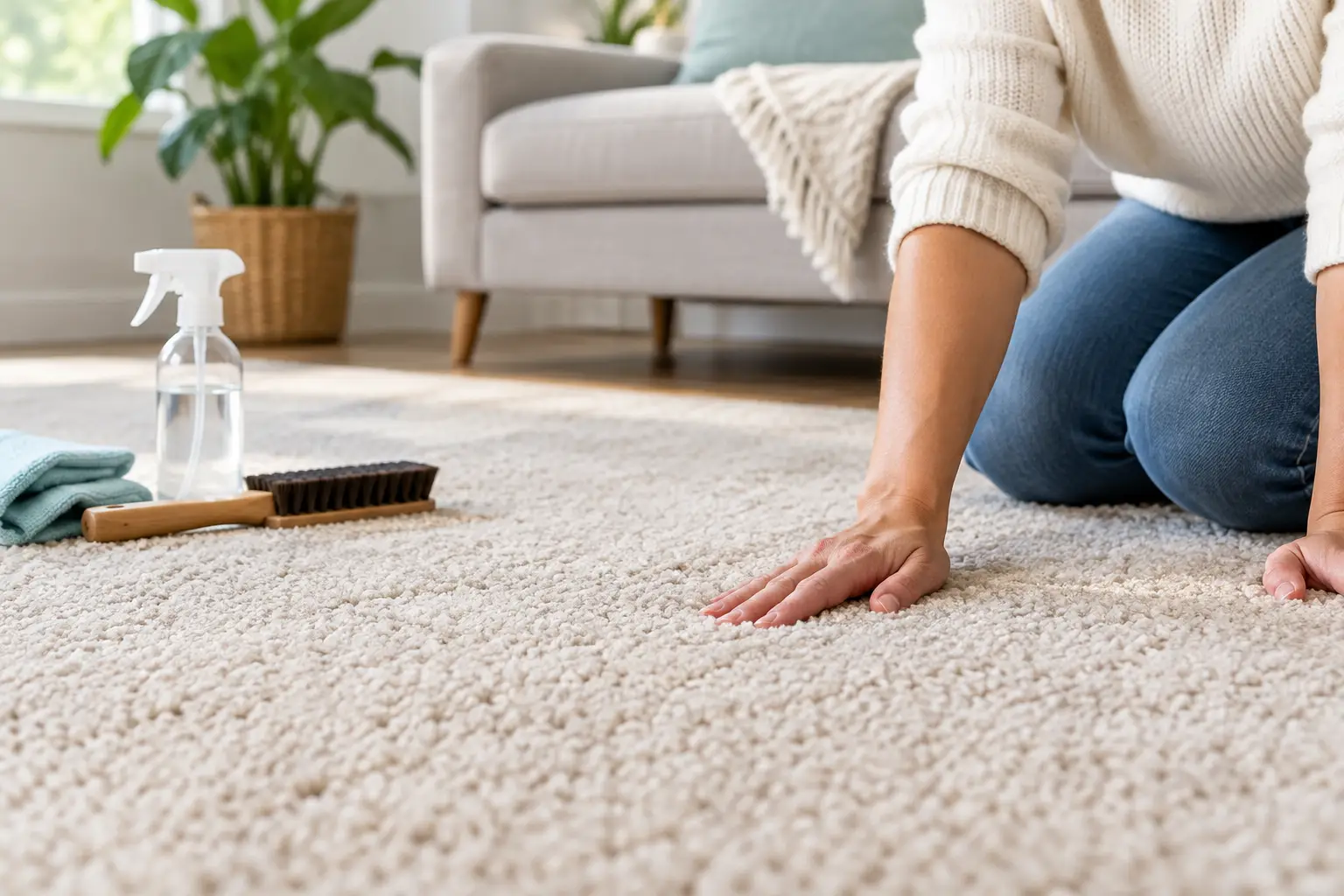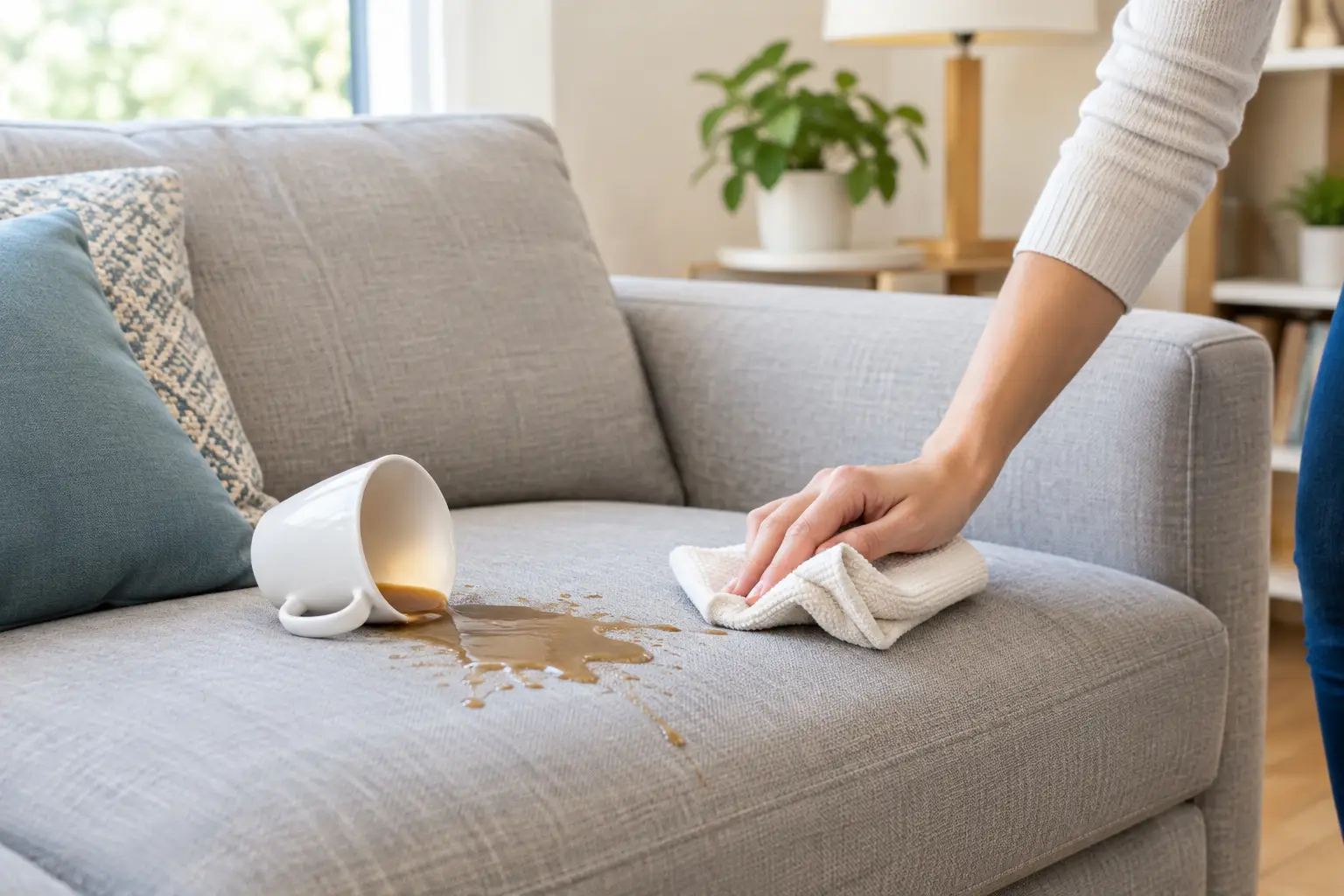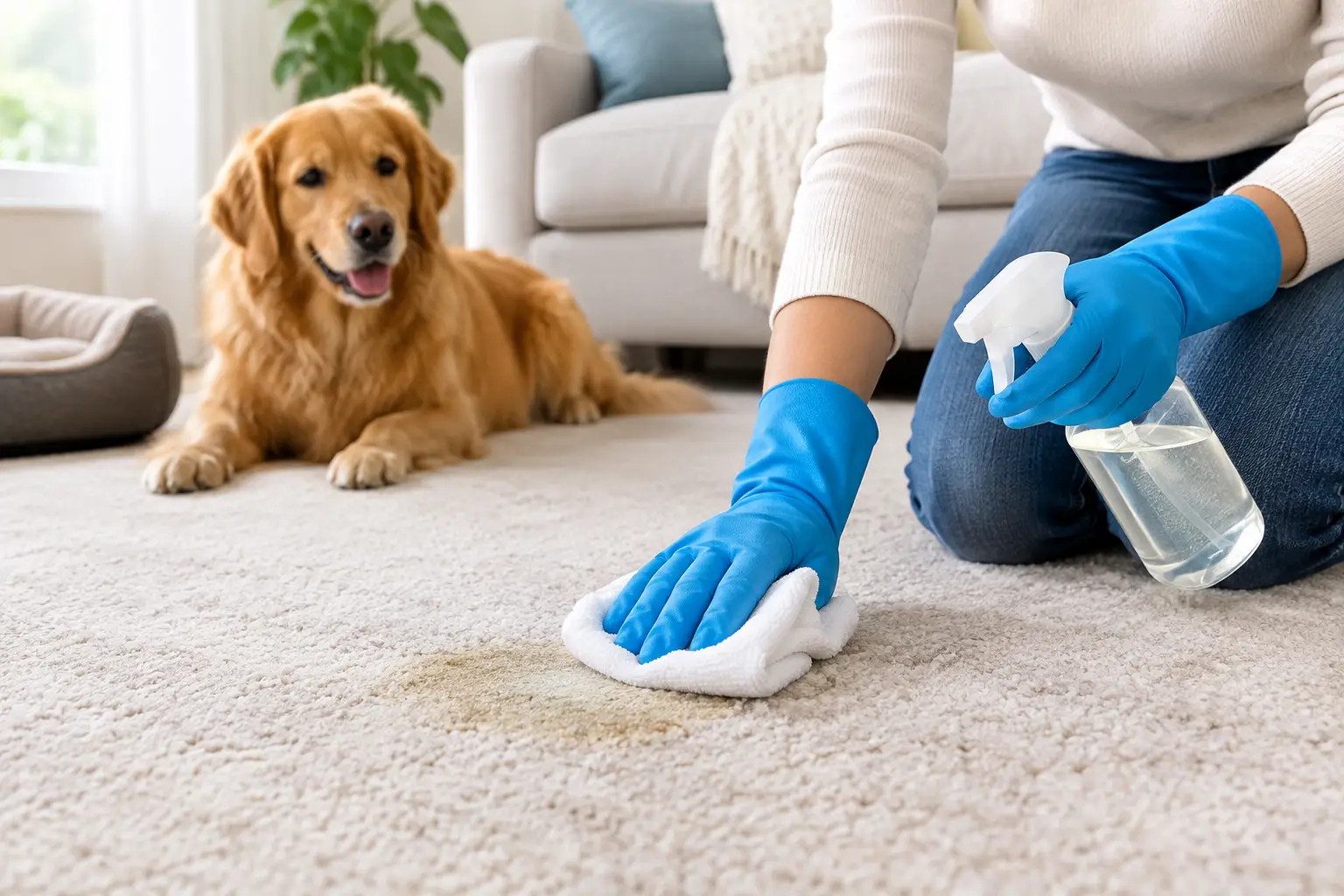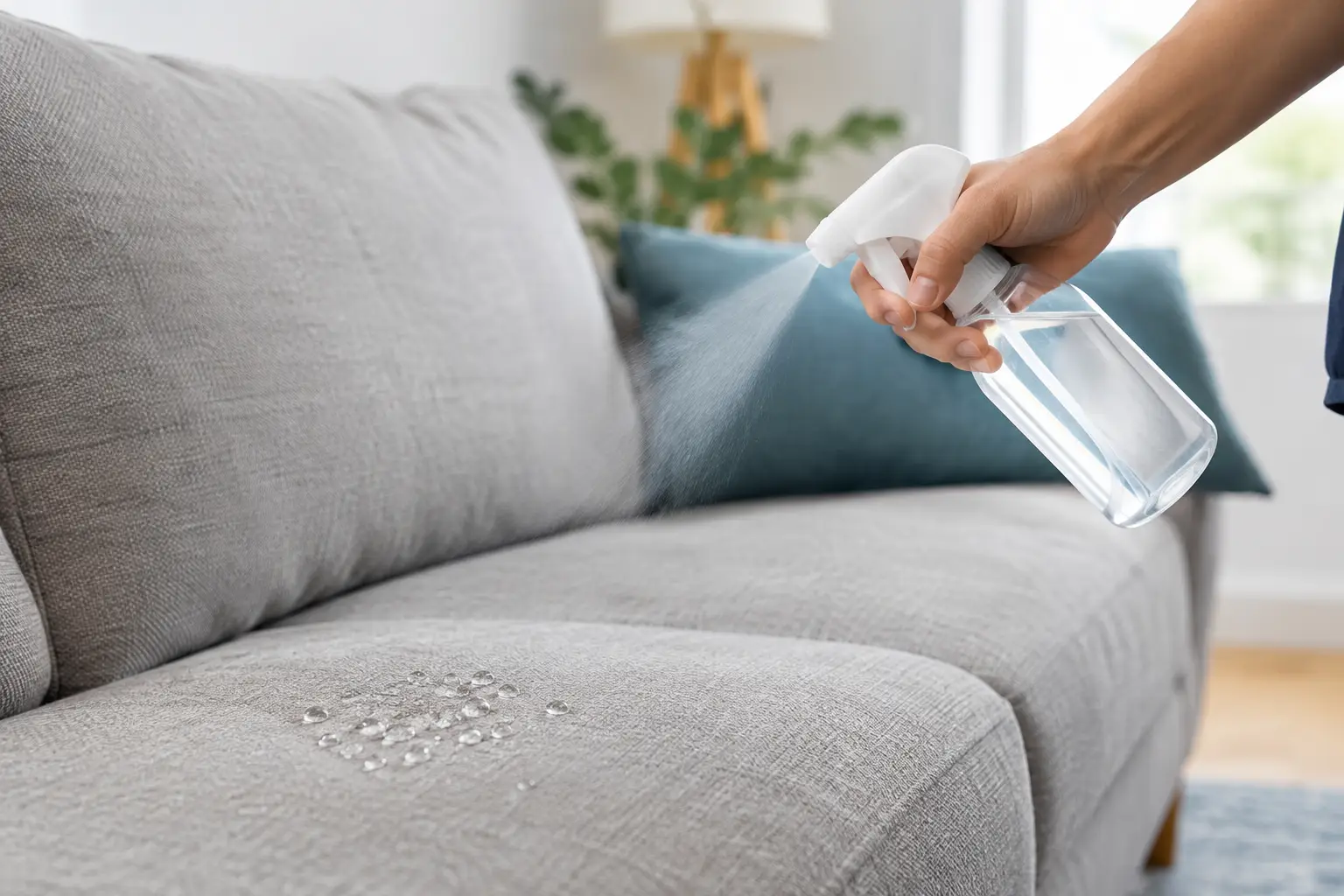
A wet carpet is more than an inconvenience when you manage an office, church, medical practice, school, or retail space. It can create slip concerns, leave rooms out of service, and interrupt the workday. Low moisture carpet cleaning gives commercial properties a practical way to remove embedded soil and refresh carpet fibers without waiting all day for the floor to dry.
For busy facilities across Memphis and the surrounding area, the appeal is simple: cleaner-looking carpet, a more welcoming space, and less disruption to the people who use it. The right cleaning method can also help protect the carpet investment between planned deep cleanings.
What Is Low Moisture Carpet Cleaning?
Low moisture carpet cleaning uses specialized equipment and cleaning solutions to agitate and lift soil while using far less water than traditional hot water extraction. Depending on the carpet, soil conditions, and facility needs, the process may use encapsulation cleaning, counter-rotating brushes, absorbent pads, or other controlled-moisture methods.
The goal is not to merely make carpet look better for a day. A professional process loosens dry particulate soil, oily residue, tracked-in grime, and spills that cling to fibers. Then it leaves the carpet with a short dry time, often allowing normal use much sooner than a heavily saturated cleaning method.
That makes low moisture cleaning especially useful in high-traffic commercial settings where closing off hallways, offices, conference rooms, or reception areas is difficult. It can often be scheduled around business hours so your staff, customers, students, or residents return to a cleaner space without navigating damp carpet.
Why Fast Dry Times Matter
Carpet needs time to dry after any professional cleaning. The question is how much time your building can reasonably spare. With a controlled-moisture approach, carpet may dry in about one to two hours under normal indoor conditions, though humidity, airflow, carpet density, and soil level can affect the result.
Fast dry times reduce the chance that foot traffic will immediately transfer outside soil onto freshly cleaned fibers. They also help limit the frustration of moving furniture, blocking walkways, or asking employees to work around a damp floor. For a property manager, that is not just convenient. It is easier to plan, communicate, and maintain.
A quicker return to use can be valuable for facilities with evening meetings, weekend events, rotating tenants, or extended operating hours. Rather than putting off needed carpet care until a rare closure, maintenance can become part of a realistic schedule.
Better appearance between major cleanings
Commercial carpet often fails visually before it fails structurally. Entrance areas, chair paths, hallways, and break rooms collect fine grit and oily soils that flatten fibers and create dark traffic lanes. Vacuuming is essential, but it cannot remove every sticky or embedded contaminant.
Low moisture maintenance cleaning addresses that buildup before it becomes more difficult to remove. Carpet fibers can stand up better, colors look more even, and the space feels more cared for. Regular attention also helps prevent premature wear caused by abrasive soil grinding into the pile under daily foot traffic.
When Low Moisture Cleaning Is the Right Choice
This method is an excellent fit for routine commercial carpet maintenance, lightly to moderately soiled carpet, traffic-lane care, and properties that need minimal downtime. It is often a smart choice for offices, retail stores, churches, common areas, professional suites, and other spaces where the carpet needs to be usable quickly.
It is not a one-method-fits-every-carpet answer. Heavily soiled carpet, major spills, restoration-level contamination, or significant pet odor concerns may require hot water extraction, targeted treatments, or a different surface-specific process. Carpet construction matters too. Some fibers, backing systems, and installation conditions respond best to particular cleaning methods.
A knowledgeable technician starts with the carpet itself, not a preselected machine. They consider the fiber type, pile style, traffic patterns, spots, prior cleaning history, and whether the carpet has protective treatment. That assessment helps determine whether low moisture cleaning will deliver the result you expect or whether a deeper restorative service is the better investment.
Low Moisture Carpet Cleaning vs. Hot Water Extraction
Both methods have a place in a strong carpet care plan. Low moisture cleaning is often the practical maintenance option when fast dry time and limited disruption matter most. Hot water extraction uses more water and flushing action, which can be valuable when carpet needs a more intensive deep cleaning.
Think of the two services as complementary rather than competing. A facility may use low moisture cleaning several times a year to control traffic soil and keep the building presentable, then schedule periodic hot water extraction based on usage and carpet condition. The ideal frequency depends on the number of occupants, outdoor exposure, food service, pets, weather, and how consistently the carpet is vacuumed.
For example, an East Memphis office with a busy reception area may benefit from frequent low moisture traffic-lane service. A daycare, medical waiting room, or building with heavy winter mud may need deeper cleaning more often. The best plan is one that keeps soil from accumulating to the point that cleaning becomes an emergency.
What Professional Service Should Include
A fast-drying process should never mean rushed work. Quality low moisture carpet cleaning begins with a careful walkthrough to identify problem areas, spots, traffic lanes, furniture concerns, and realistic expectations. The carpet is then vacuumed or prepared as needed, because dry soil removal is a major part of proper carpet care.
Appropriate cleaning products are applied in measured amounts, followed by mechanical agitation to separate soil from the fiber. A professional technician pays close attention to edges, transitions, entry areas, and the places people notice first. Spots may need individual treatment rather than a single solution applied across the entire floor.
After cleaning, proper grooming can improve the carpet’s appearance and help it dry evenly. Technicians should also provide straightforward guidance about re-entry, airflow, and any areas that need a little extra dry time. If carpet protector is appropriate, it can help repel future spills and make regular vacuuming and spot response more effective.
Protecting Your Carpet Investment
Carpet is one of the largest soft-surface investments in many commercial spaces. Replacing it early is expensive, disruptive, and avoidable in many cases. A consistent maintenance program is designed to extend useful life by removing the grit and residue that make fibers look worn before their time.
Daily vacuuming, prompt spill response, entrance mats, and scheduled professional cleaning all work together. None replaces the others. Mats reduce incoming soil, vacuuming removes loose debris, and professional cleaning addresses the material that bonds to the fiber over time.
PSH Floorcare helps commercial clients build practical cleaning schedules around their building use, not around a generic calendar. That may mean recurring low-moisture service for high-visibility areas, deeper periodic cleaning where needed, and protective treatments that support long-term appearance.
A Cleaner Facility Without Losing the Day
A clean carpet supports the way people feel when they enter your space. It tells clients that details matter, gives employees a more comfortable environment, and helps property managers stay ahead of preventable wear. More importantly, it does not have to come with a long closure or a building full of damp floors.
If your carpet is showing traffic lanes, dullness, or tracked-in soil but your schedule cannot accommodate a lengthy dry time, low moisture carpet cleaning may be the right next step. A thoughtful maintenance plan keeps your facility cleaner, protects the floors you already own, and lets everyone get back to the day with less to worry about.