A dog can have an accident in a quiet corner of the room, and the odor may seem to disappear by dinner. Then humidity rises, the heat turns on, or you walk through the space after a long day, and it is back. To truly eliminate dog urine odors, you have to treat more than the surface stain. The odor-causing residue may be deep in carpet backing, rug fibers, upholstery padding, or even the subfloor below.
For busy Memphis-area households, that is the frustrating part. A room can look clean while still carrying an odor that affects how your whole home feels. The right response depends on the material, how quickly the accident was found, and whether the pet has returned to the same spot.
Why dog urine odors keep coming back
Fresh urine contains moisture, salts, proteins, and uric acid compounds. As it dries, the water evaporates but the residue remains. Those deposits can reactivate when they encounter moisture in the air or from a cleaning attempt, releasing odor again.
Carpet is especially challenging because urine does not always stay at the tips of the fibers. It can pass through the face yarns and backing into the cushion beneath. On repeated accidents, it may reach the tack strip, wood subfloor, or concrete. A surface deodorizer may make the room smell better temporarily, but it cannot remove contamination it never reaches.
Dogs also have a much stronger sense of smell than people. If they can detect leftover urine in a favorite area, they may see it as an approved bathroom spot. Proper odor treatment helps protect your flooring investment and can support better house-training habits at the same time.
What to do as soon as an accident happens
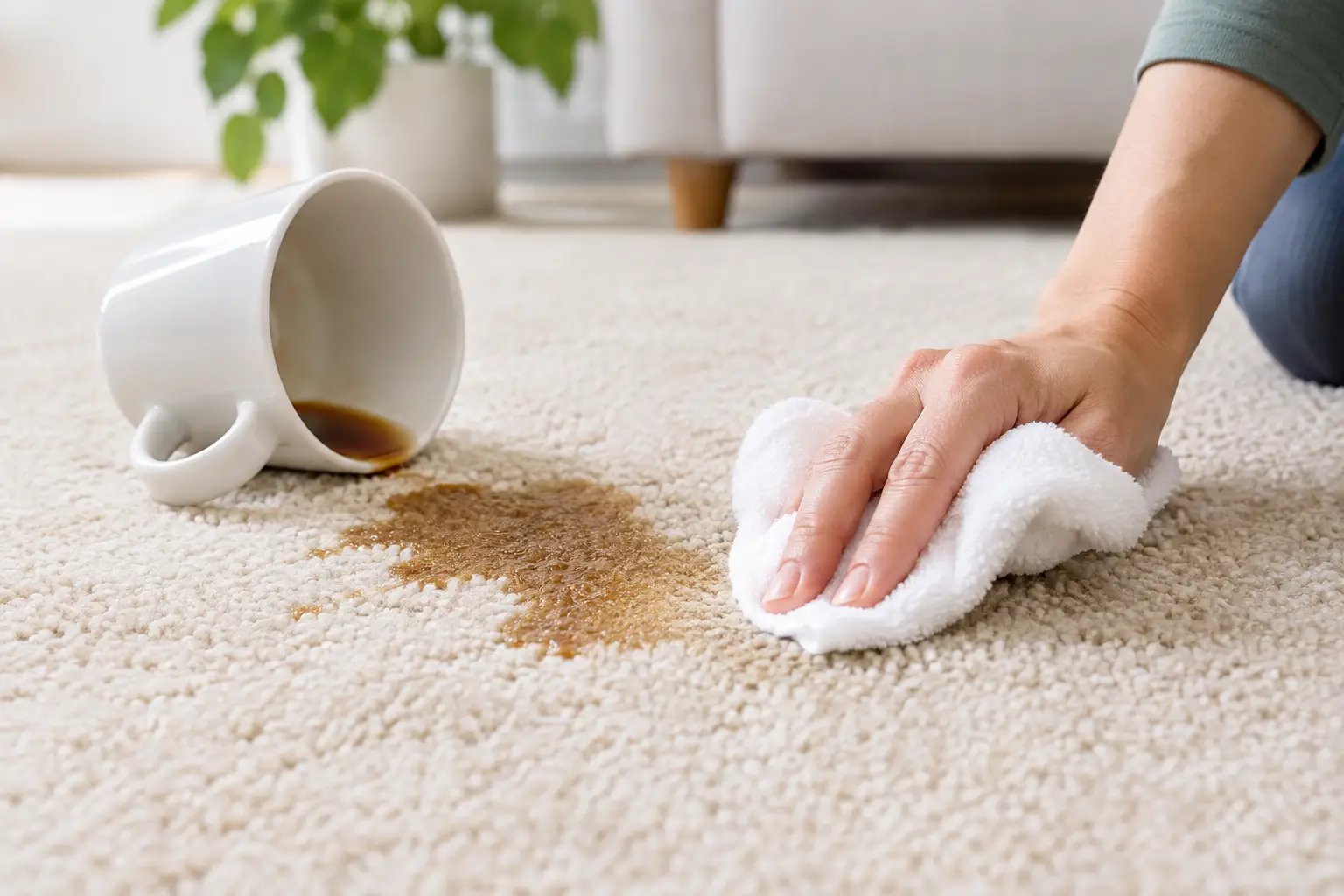
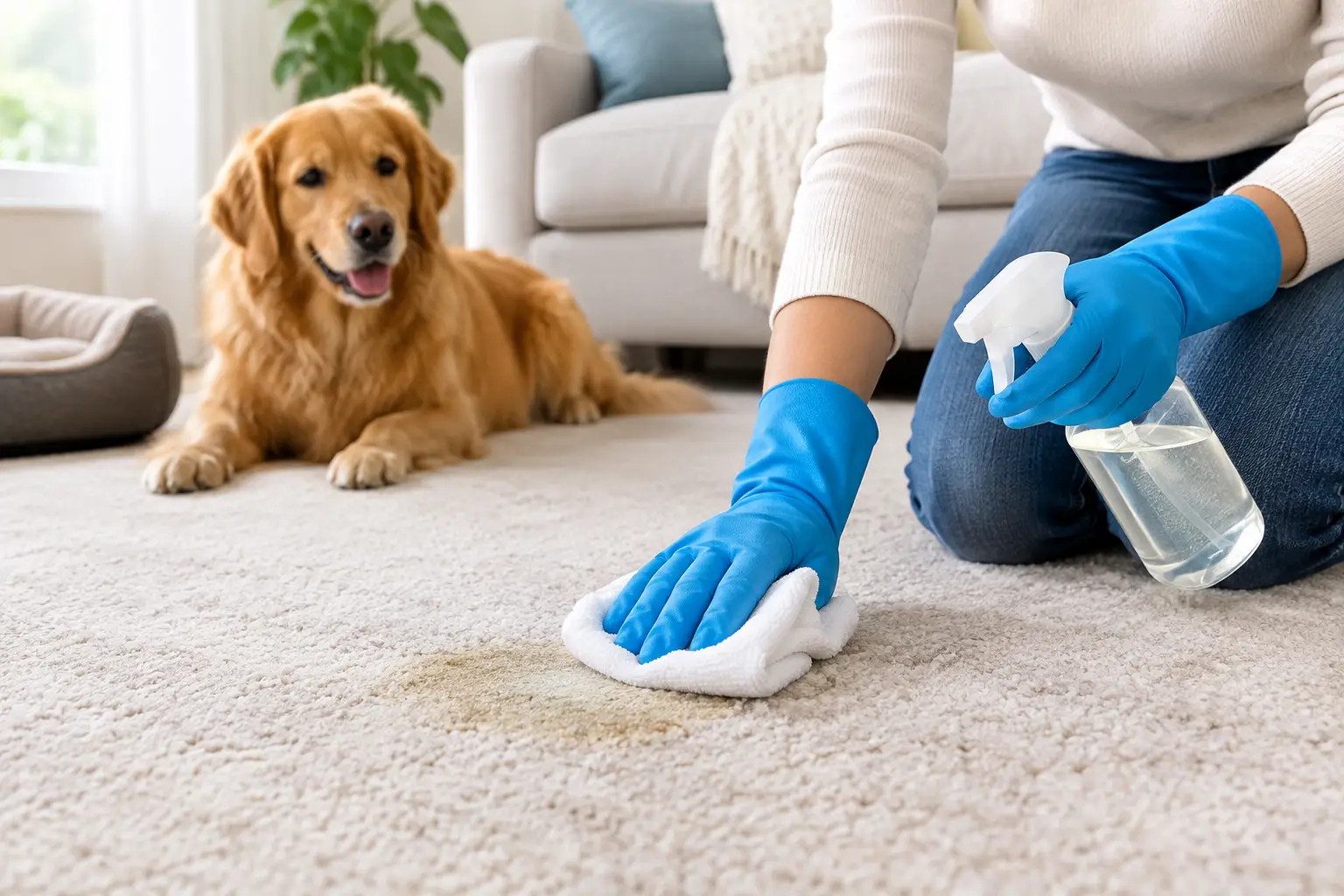
Speed makes a real difference. Blot fresh urine with clean white towels or paper towels, applying steady pressure to pull up as much moisture as possible. Stand on the towels if needed, then replace them and repeat. Avoid rubbing, which can spread the moisture outward and push it deeper into the pile.
After blotting, use a pet-safe enzymatic or microbial urine treatment that is appropriate for the surface. These products are designed to digest or break down organic residues rather than simply cover the smell with fragrance. Follow the label closely, especially the required dwell time. Many treatments need to remain damp long enough to work.
Do not soak the area with water, vinegar, or a store-bought cleaner. Excess moisture can spread urine farther into the backing and pad. It can also create a separate drying problem, particularly in thick carpet, area rugs, and upholstered cushions.
Avoid steam cleaning a urine spot before the odor is resolved. Heat can set protein-based residues and make future treatment more difficult. Household carpet machines may improve the appearance of a stain, but they can also leave moisture behind if extraction is weak.
How to eliminate dog urine odors from carpet
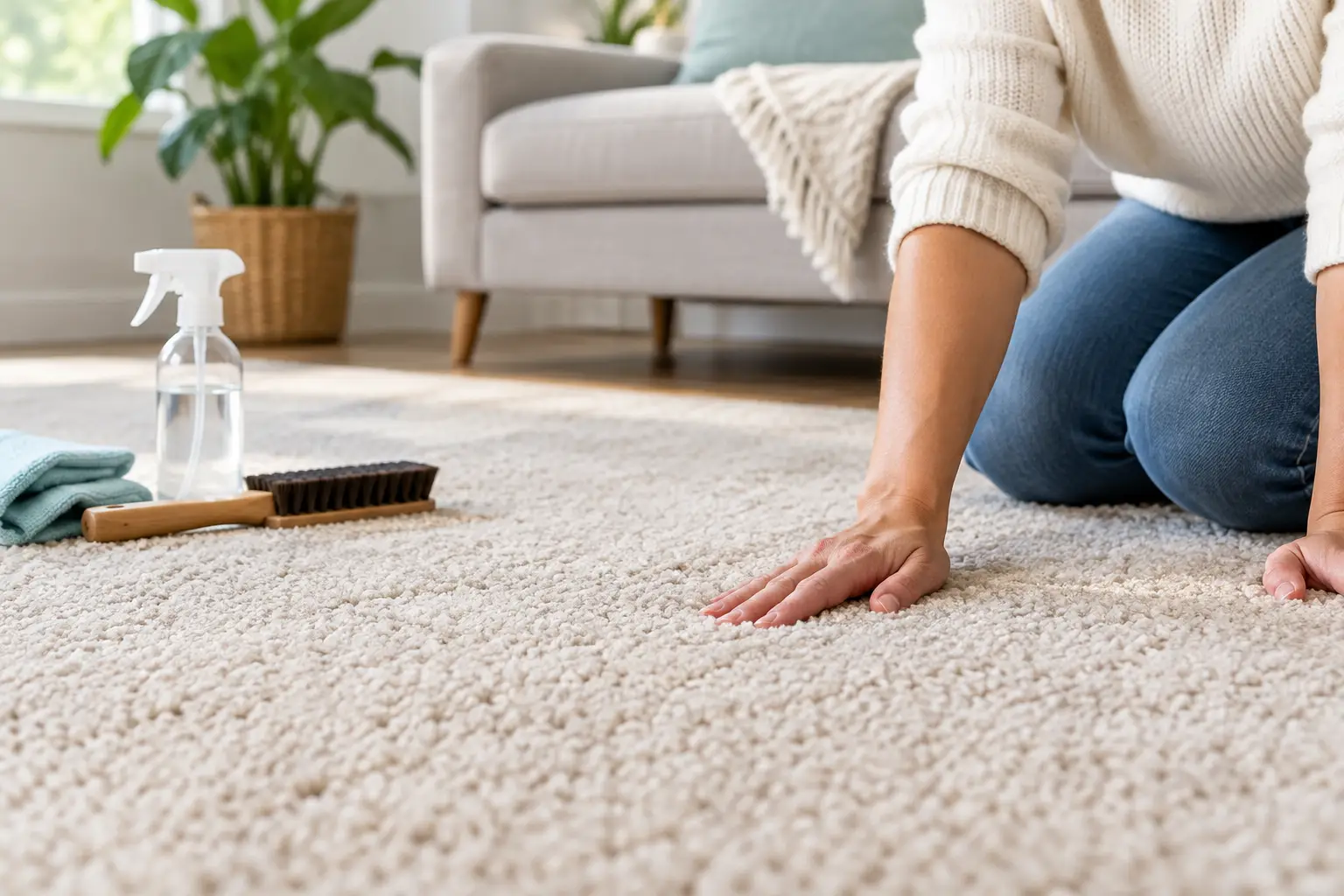
The goal with carpet is not just to clean the visible fibers. Effective treatment has to reach the same depth as the urine. For a single recent accident near the surface, careful blotting and an appropriate enzymatic treatment may be enough. Allow the carpet to dry completely before deciding whether odor remains.
Older spots and repeat locations need a more thorough assessment. Look for clues such as yellowing, a sticky feel, darkened backing, recurring odor after rainy weather, or a dog repeatedly sniffing one location. A UV inspection light can sometimes help identify urine deposits, but it is not perfect. Some cleaners, fibers, and non-urine residues can fluoresce too.
Professional pet odor control starts by locating the affected areas and determining the likely depth of contamination. Treatment may involve applying a urine-specific solution through the carpet, flushing and extracting contamination, and treating the backing and cushion when necessary. If urine has reached the subfloor, a sealing treatment may be needed after proper cleaning and drying.
This is where shortcuts often become expensive. Spraying deodorizer over the carpet may disguise the problem for a few days. Replacing carpet without addressing contaminated padding or subfloor can allow odor to return through the new flooring.
When the carpet pad needs attention
Carpet pad is absorbent by design, which is helpful for comfort but not for pet accidents. If a large volume of urine has soaked through, or if accidents have occurred repeatedly in the same area, treatment from the carpet surface may not be sufficient.
In some cases, targeted pad replacement is the practical answer. It depends on the extent of contamination, the age and condition of the carpet, and whether the subfloor is affected. A qualified cleaning professional should explain what can reasonably be restored and what may require repair. Clear guidance is far more useful than promising that every odor can be solved with one spray bottle.
Area rugs and upholstery need surface-specific care
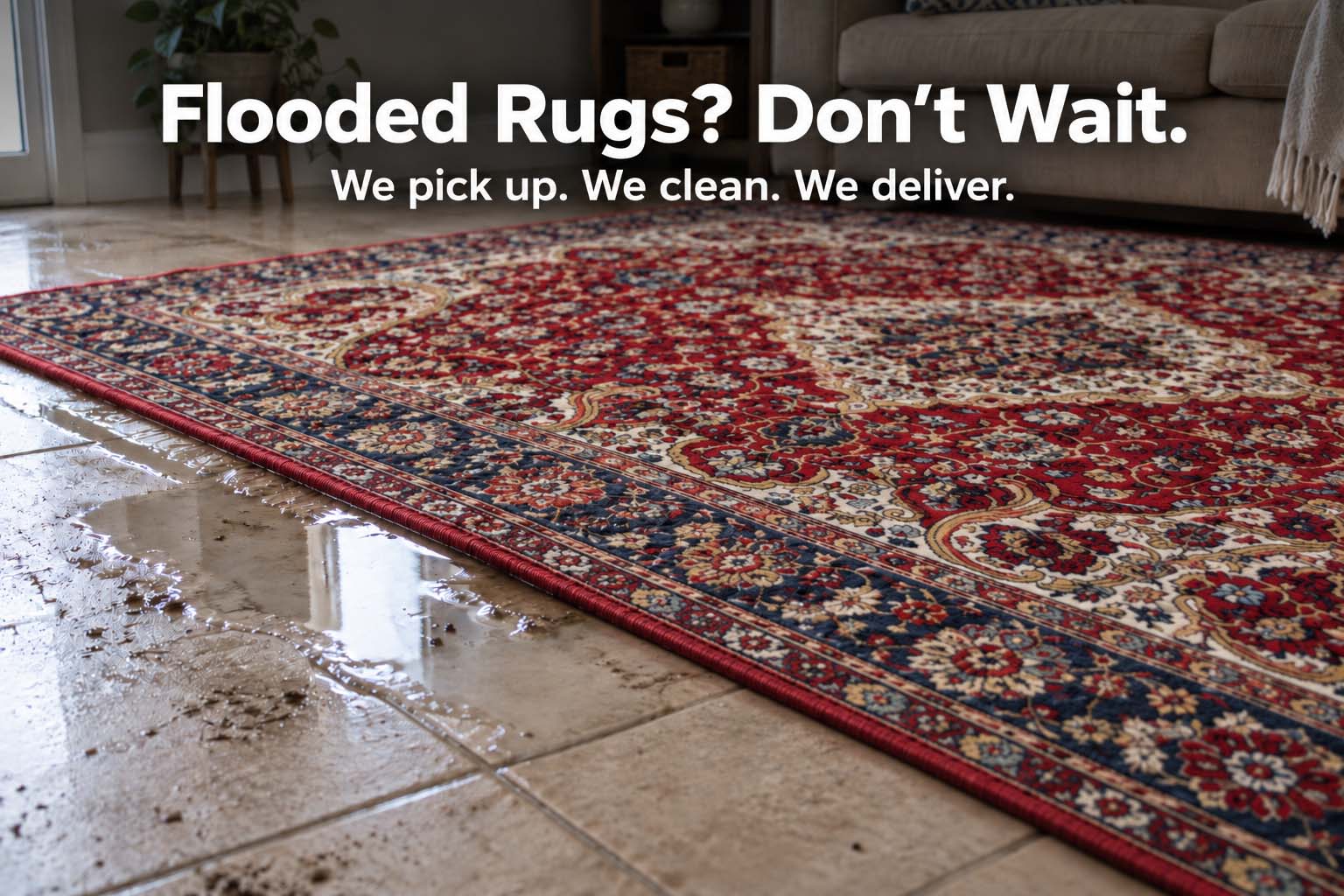
An area rug should never be treated exactly like installed carpet. Wool, silk, cotton, viscose, antique rugs, and rugs with unstable dyes can react badly to the wrong chemistry or too much moisture. Urine may also settle into the rug foundation and backing, where odor can persist even after the face fibers look clean.
For valuable oriental and area rugs, in-plant washing allows technicians to address contamination more thoroughly and control the drying process. That matters when you want to preserve color, texture, and structure while removing the source of the odor.
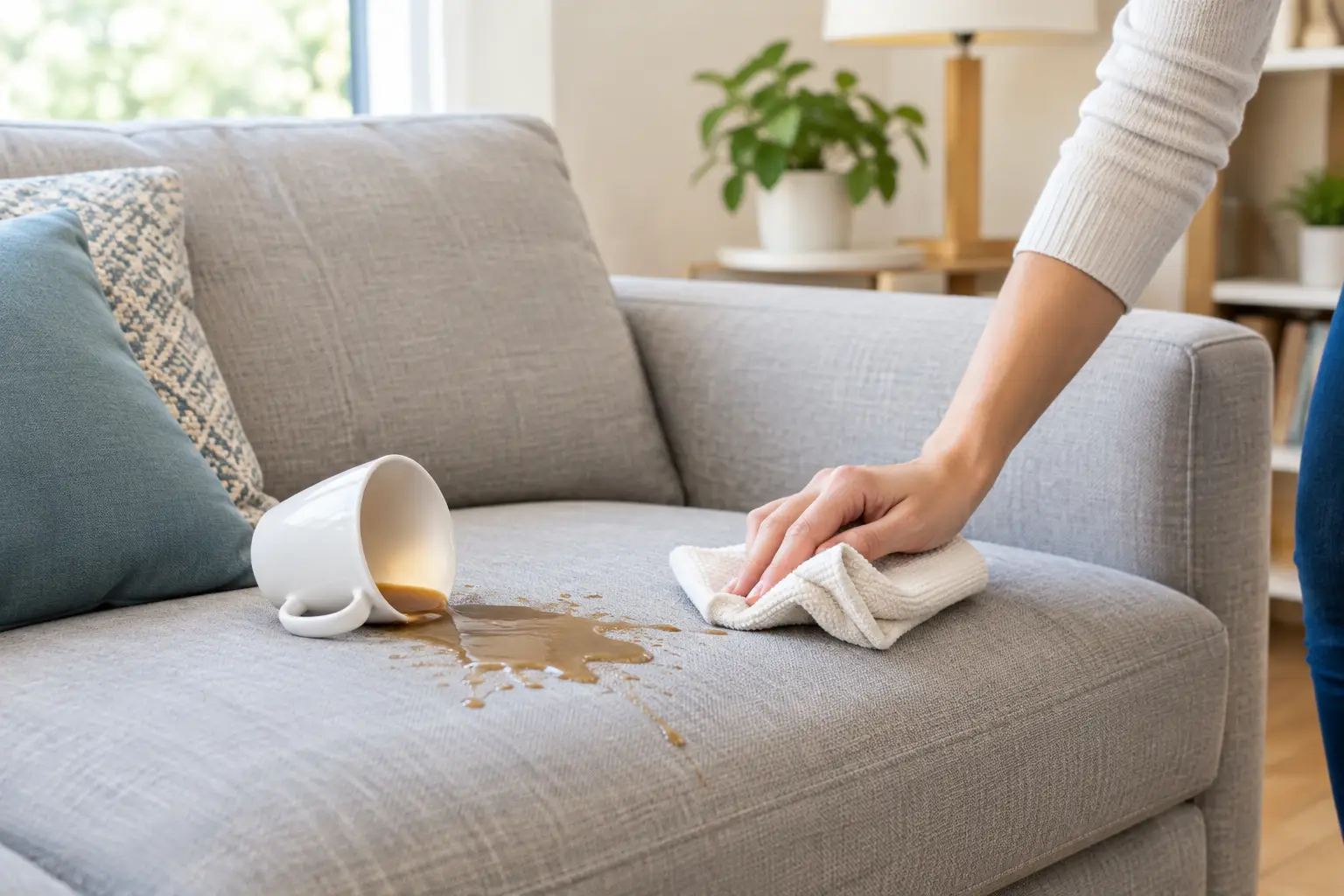
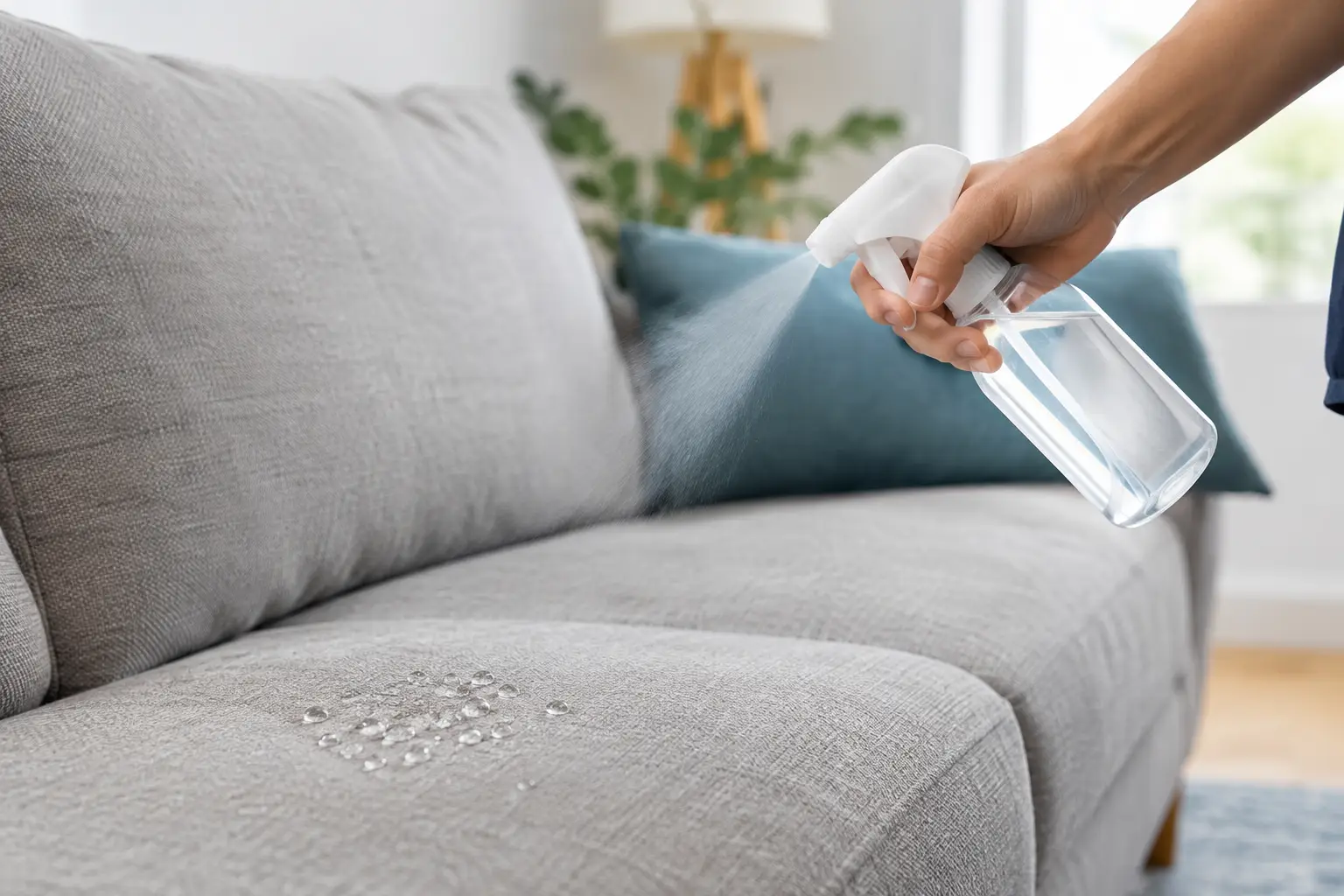
Upholstery has similar challenges. A dog may have an accident on a cushion, blanket, pet bed, or sofa arm, and the moisture can move into foam or batting. Treating only the fabric cover may leave odor inside the cushion. Before using any consumer product, check the manufacturer’s cleaning code and test an inconspicuous area. Delicate fabrics and down-filled cushions deserve professional evaluation.
Hard floors can hold odor too
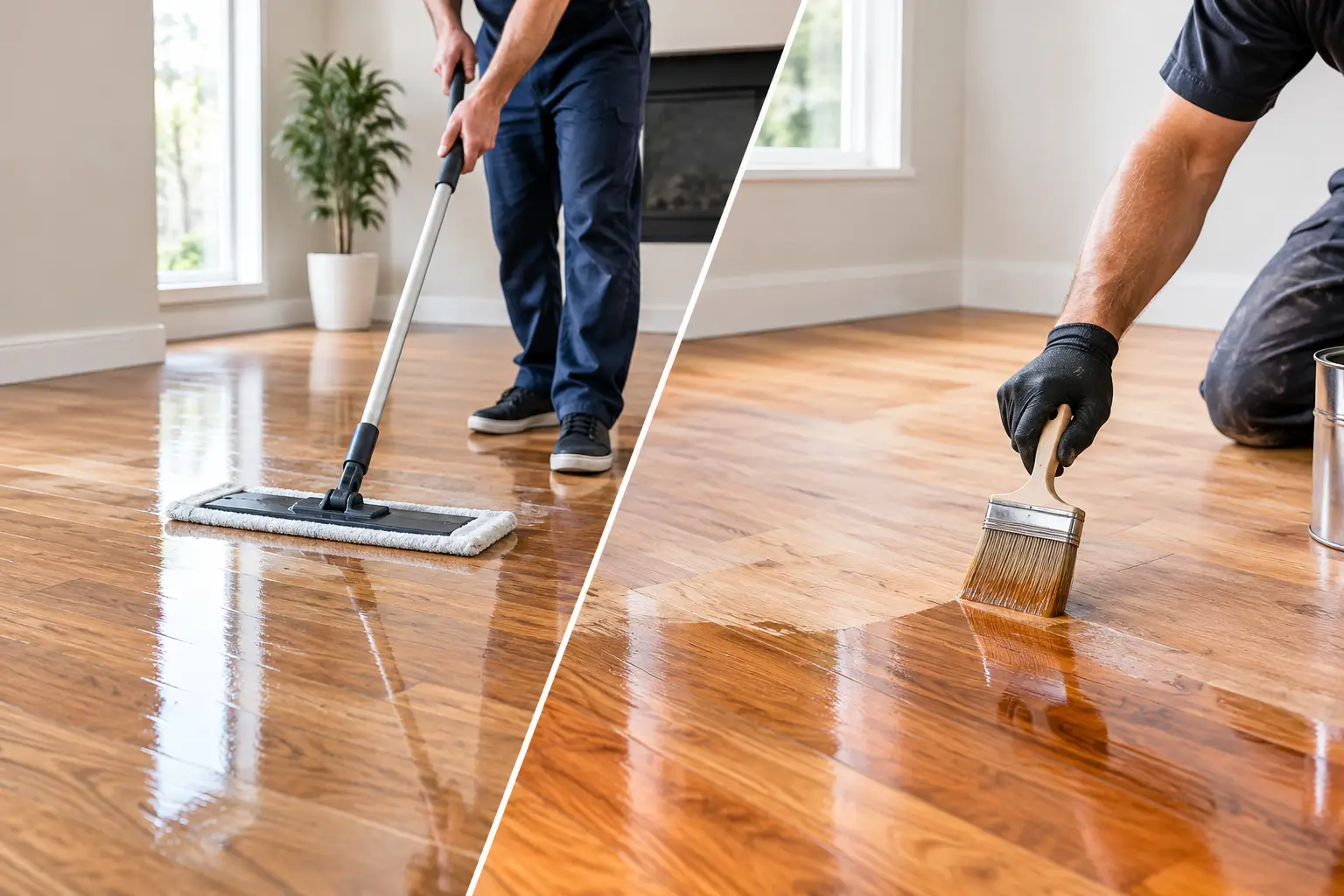
Tile, sealed stone, luxury vinyl, and laminate may appear nonporous, but seams, grout lines, edges, and damaged finish can allow urine below the surface. Hardwood is especially vulnerable. Urine can penetrate between boards, discolor the finish, and absorb into the wood itself.
Do not flood hard floors with water or use harsh acidic products in hopes of removing odor. Vinegar can damage natural stone, weaken some finishes, and leave you with a larger restoration concern. Bleach is also a poor choice for urine. It does not reliably remove the source and should never be mixed with other cleaners.
For tile and grout, deep cleaning may be needed before applying a protective sealer. For hardwood, laminate, or natural stone, the correct solution depends on the floor’s finish and the depth of damage. The safest path is to treat the surface as an investment, not as a test area for whatever cleaner is under the sink.
Signs it is time for professional pet odor treatment
Call for help when the odor returns after your cleaning attempts, when you cannot locate the source, or when accidents have happened in several areas. Professional service is also a smart choice before listing a home, moving into a previously pet-occupied property, welcoming guests, or installing new flooring.
PSH Floorcare provides GUARANTEED pet odor treatment with the goal of addressing the source, not covering it up. That approach can save time, reduce the guesswork of repeat DIY attempts, and help protect carpet, rugs, upholstery, and surrounding surfaces from preventable damage.
Preventing the next odor problem
Once the odor is addressed, prevention becomes much easier. Keep a small supply of white towels and an appropriate pet treatment product on hand so fresh accidents are handled promptly. Wash pet bedding regularly, clean frequently used resting spots, and give older dogs or puppies more opportunities to go outside.
If accidents are sudden or unusually frequent, a veterinary check may be worthwhile. Urinary changes can sometimes signal a health concern, not a training issue. For repeat indoor marking, a trainer or behavior professional can help identify triggers in the home.
A home with pets should feel lived in, not limited by lingering odors. When a smell keeps returning, trust what it is telling you: the source likely needs deeper attention. Address it early, care for each surface correctly, and your rooms can feel clean, comfortable, and ready for the people and pets who enjoy them.