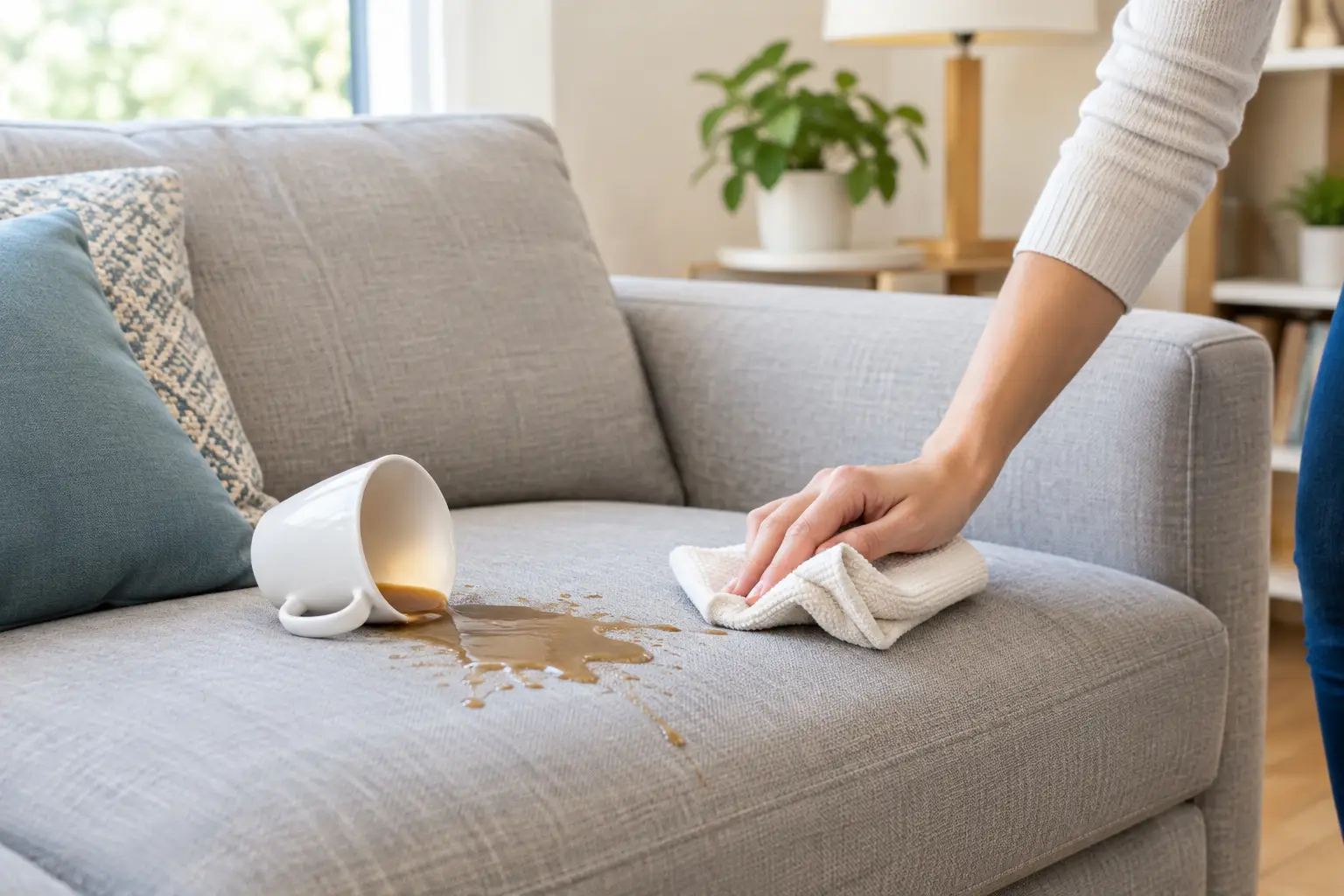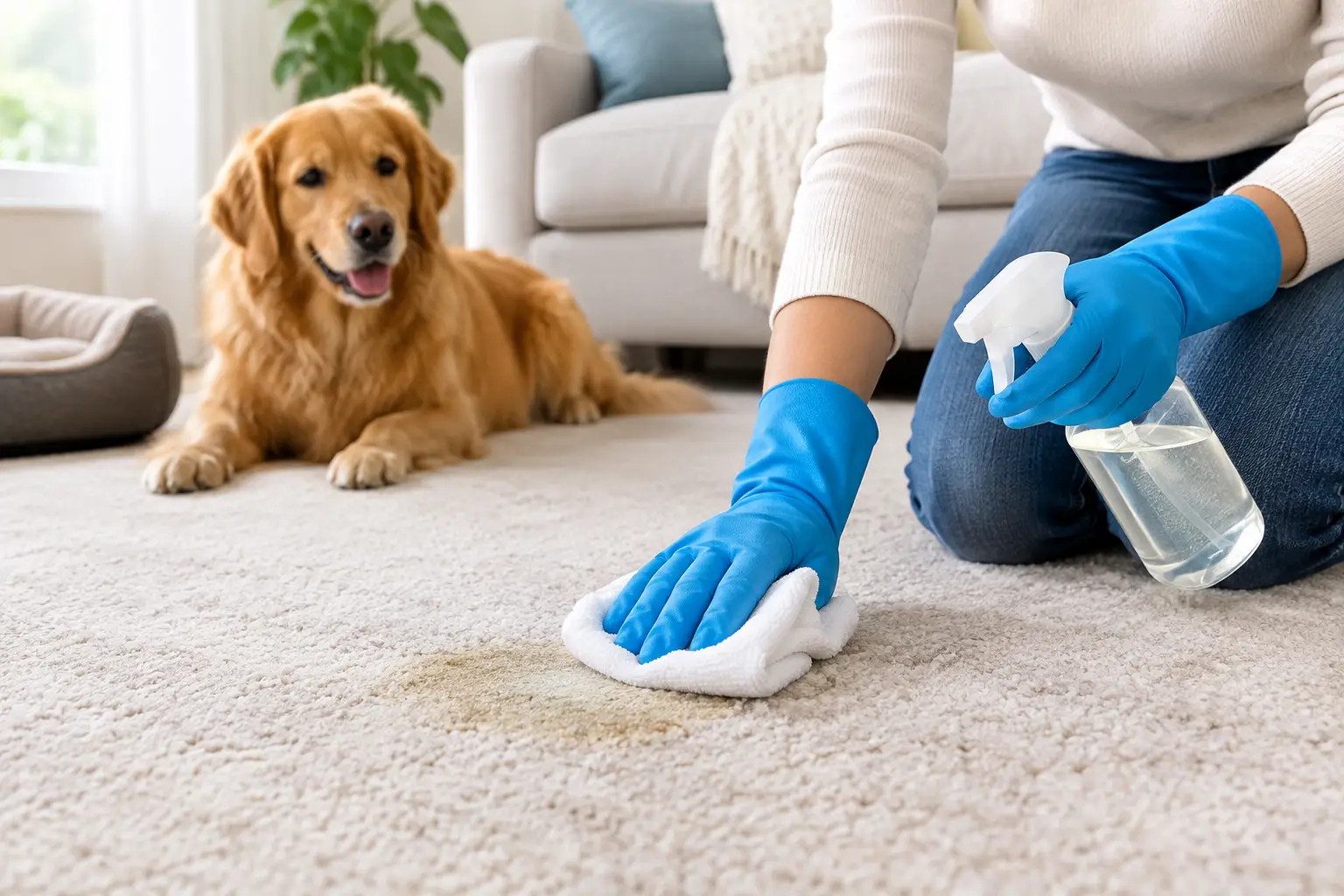
A glass of red wine tips on the sofa. A child tracks muddy shoes across the living room carpet. A pet has an accident on an area rug. In those moments, homeowners often ask: does fabric protector prevent stains? The honest answer is that it can make a major difference, but it is not a force field.
Quality fabric protection gives you valuable time to blot a spill before it soaks into carpet fibers or upholstery. It helps everyday soil release more easily during vacuuming and professional cleaning. For busy Memphis-area households, that extra margin can mean the difference between a quick cleanup and a stain that becomes part of the room.
What fabric protector actually does
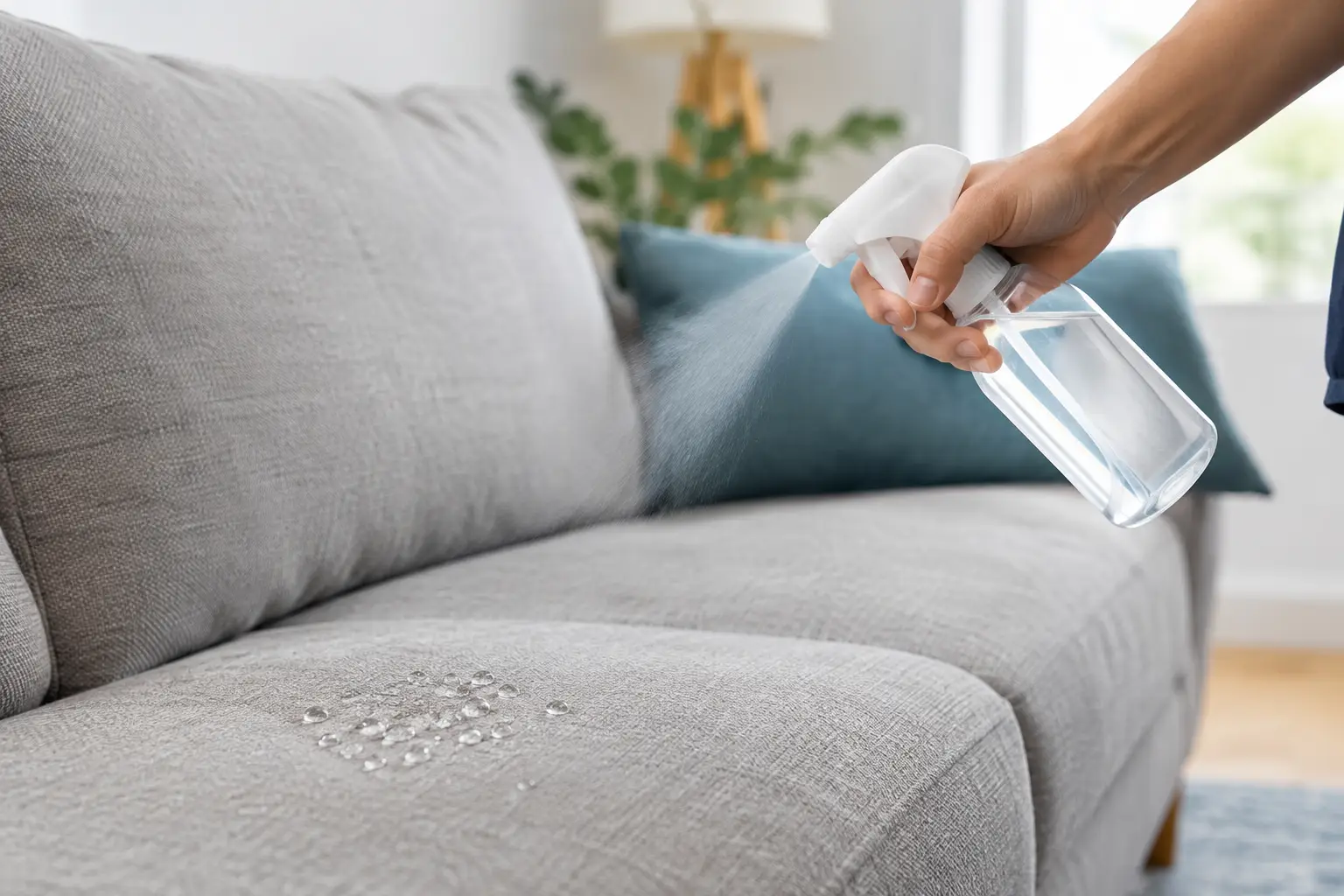
Professional fabric protector is applied to clean, dry carpet, rugs, or upholstery. It coats individual fibers with a protective barrier that changes how liquids and dry soil interact with the surface. Rather than absorbing immediately, many spills bead up or remain closer to the surface long enough for you to remove them.
That matters because most stains become difficult when they penetrate deeply into fibers, backing, padding, or upholstery cushions. Coffee, juice, grease, food coloring, pet-related messes, and tracked-in soil all have a better chance of coming out when they are addressed before they settle in.
Protection also reduces the way dry soil grips carpet fibers. Fine grit is not just unattractive. As people walk across carpet, abrasive soil can wear away at fibers, leaving traffic lanes dull and matted. A protector treatment supports easier vacuuming and more effective professional cleaning, which helps carpets and furnishings hold their appearance longer.
Does fabric protector prevent stains completely?
No. Fabric protector does not make carpet or upholstery stain-proof, and any company promising that would be setting the wrong expectation. A spill can still stain if it sits too long, if a large amount of liquid is involved, or if the material contains strong dyes, oils, acids, or bleaching agents.
Think of protector as an advantage, not permission to ignore a spill. It slows absorption and improves cleanability. You still need to act promptly, especially with red wine, coffee, dark sauces, makeup, ink, cooking oil, pet accidents, and brightly colored drinks.
The condition of the fabric matters, too. Protectors perform best after a thorough professional cleaning because soil, residue, and previous spot treatments can interfere with how evenly the product bonds to the fibers. Heavily worn carpet, sun-faded upholstery, and fabrics with existing permanent discoloration may look better after cleaning and protection, but they cannot always be restored to a like-new condition.
Where fabric protection makes the biggest difference
Protection is particularly useful in the rooms that work hardest for your family. Living room upholstery sees snacks, drinks, pets, and daily use. Dining chairs face food spills. Bedroom carpet collects body oils, dust, and everyday foot traffic. Hallways, stairs, and entryways take on outdoor soil that can quickly turn into visible traffic patterns.
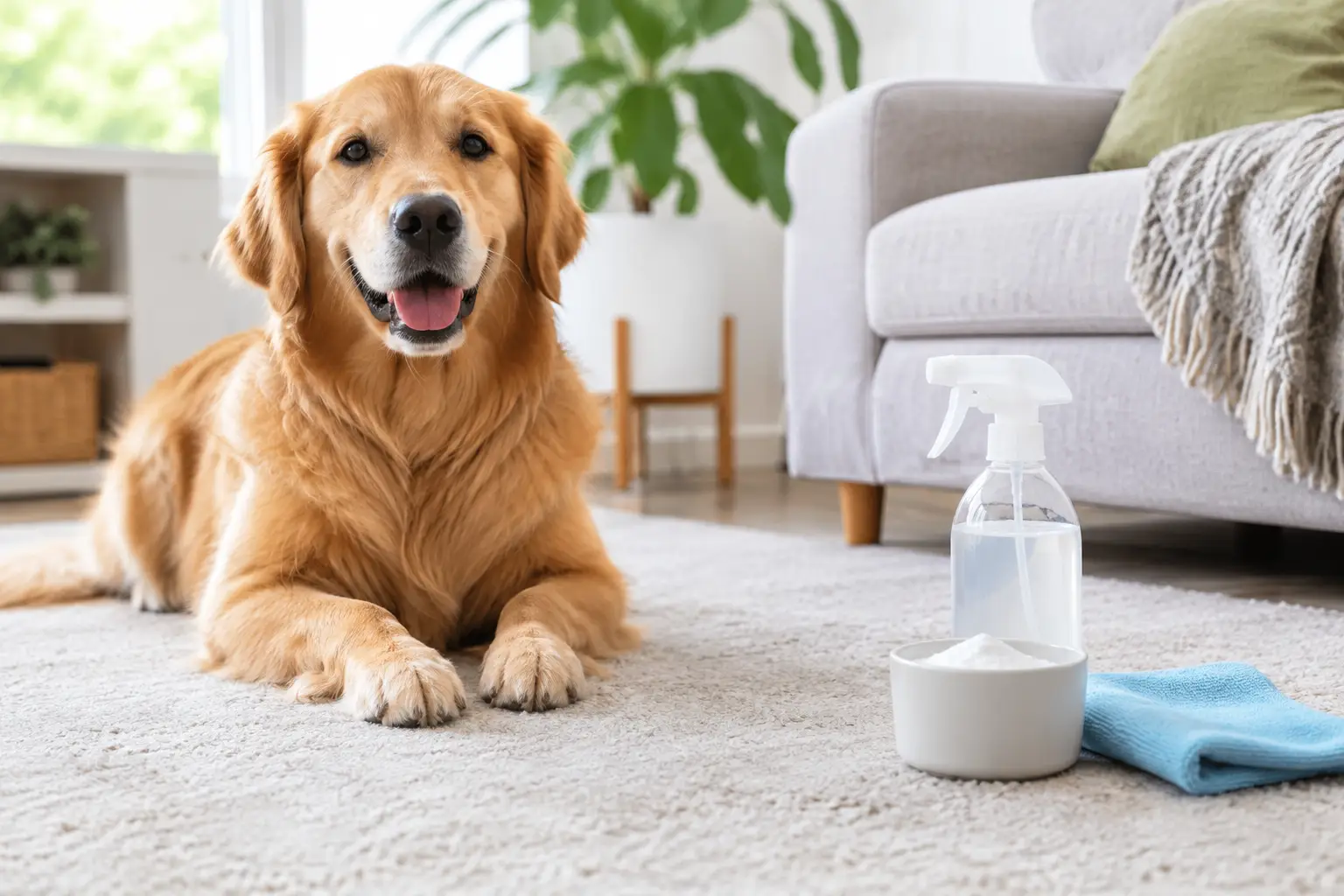
It is also a smart choice for homes with children, pets, frequent guests, or light-colored furnishings. If you have invested in a wool area rug, a sectional, or new carpet, protecting it is part of protecting that investment. Replacing or restoring a damaged surface is usually far more costly and disruptive than maintaining it well from the start.
For commercial spaces, fabric protection can help office carpet and upholstered seating tolerate the daily demands of employees, clients, and foot traffic. It does not replace routine care, but it helps maintenance cleaning deliver better results over time and can support a more polished appearance between service visits.
Not every fabric should be treated the same way
A professional should identify the fiber type and construction before applying a protector. Synthetic carpet fibers, such as nylon and polyester, often respond differently than wool, cotton, silk, rayon, linen, or delicate blends. The same is true of upholstery, where the face fabric, cushion filling, dyes, and manufacturer recommendations all affect the right cleaning and protection method.
Wool rugs and fine upholstery deserve particular care. The wrong product or too much moisture can affect color stability, texture, or feel. Some textiles may need specialized treatment, while others may not be suitable for protection at all. This is one reason a general-purpose spray bottle is not always the safest answer for valuable furnishings.
At PSH Floorcare, surface-specific care is central to the process. A protector application should be based on what the material needs, not treated as a one-size-fits-all add-on.
How to get the best results after protection
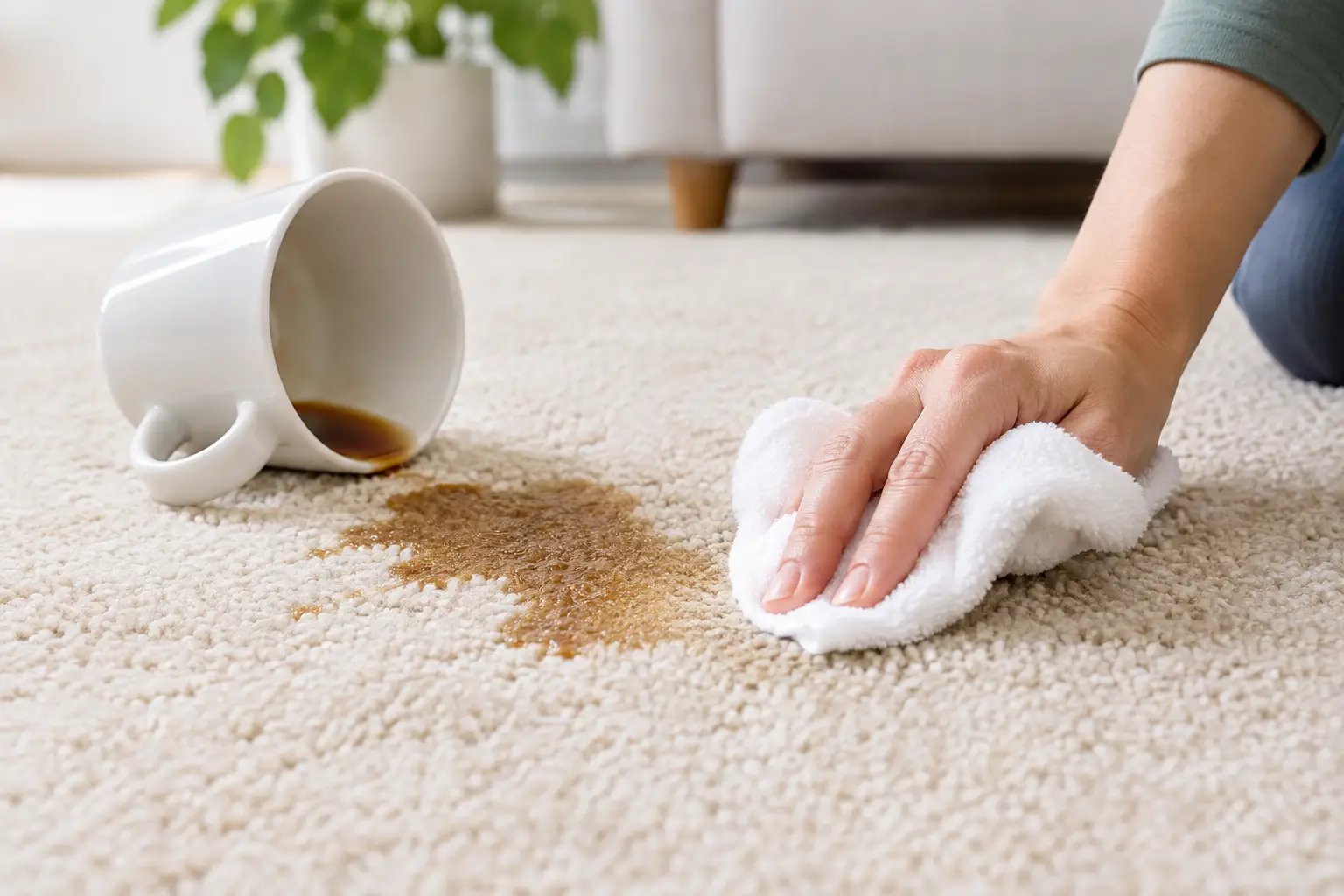
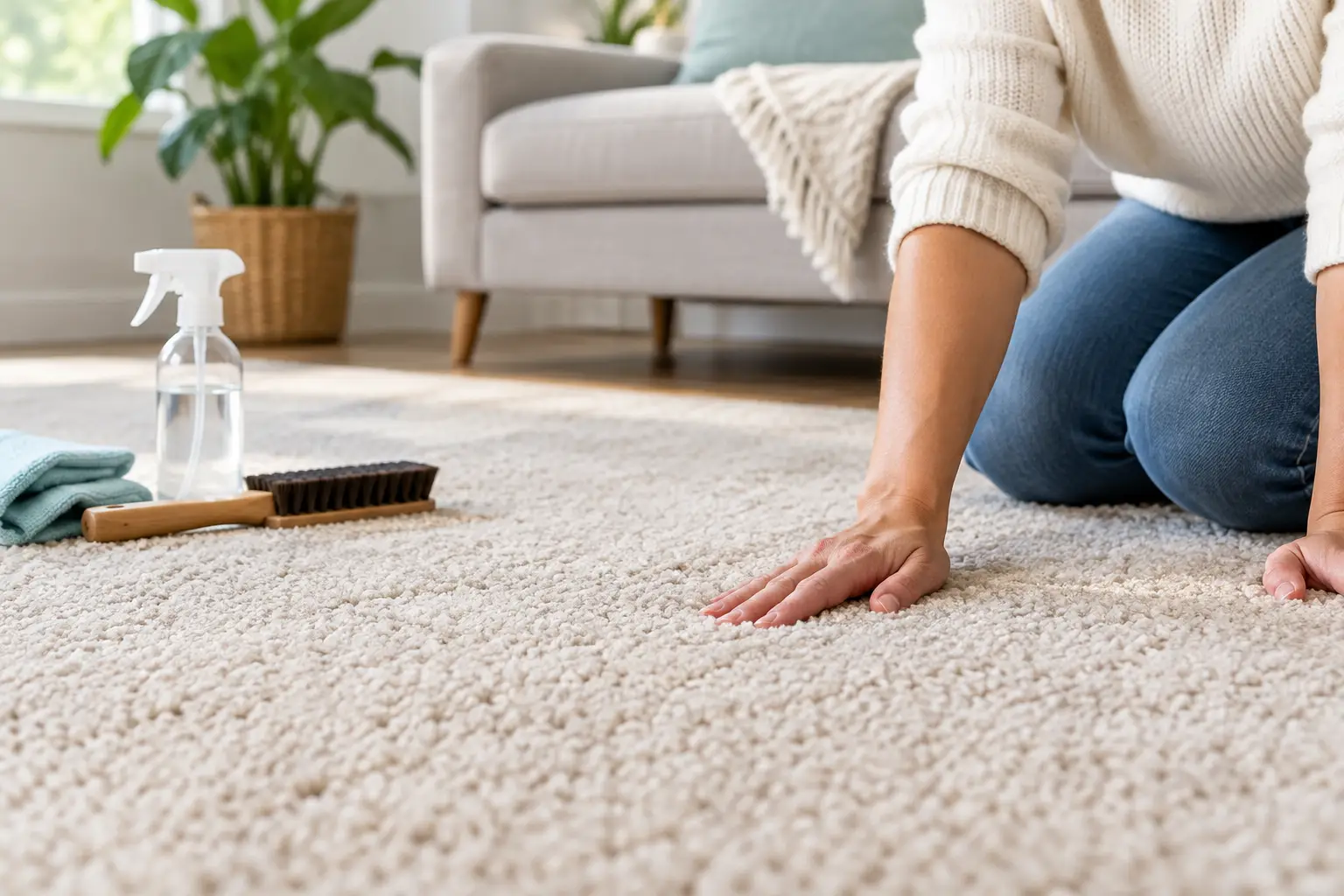
The greatest benefit comes from pairing professional protection with simple, consistent care. When a spill happens, blot it immediately with a clean white towel. Press gently and lift the liquid away. Do not scrub, because scrubbing can spread the spill, distort fibers, and push staining material deeper.
Use plain water sparingly unless you know the proper cleaning method for the specific fabric. Many store-bought spot removers leave sticky residue that attracts soil, while others can bleach or damage color. If a spill is oily, dark, or persistent, it is usually safer to get professional advice before trying multiple chemicals.
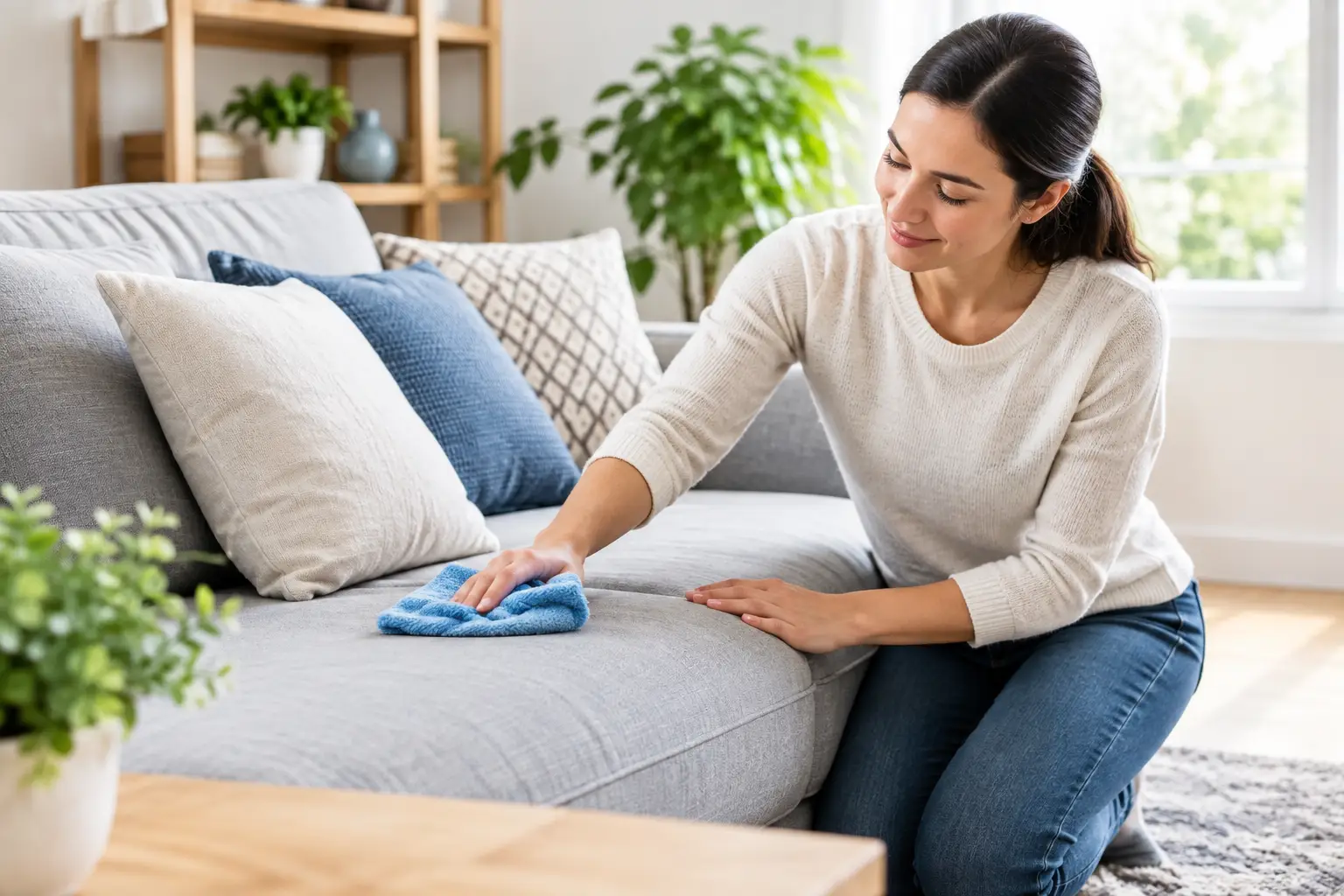
Vacuum carpet regularly, especially in traffic areas and homes with pets. Vacuuming removes dry soil before it can grind into the pile. Upholstery benefits from gentle vacuuming as well, including under cushions where crumbs and grit tend to collect.
A few habits can help protected fibers stay cleaner longer:
- Address spills right away instead of waiting until the end of the day.
- Use entry mats and encourage family members to remove heavily soiled shoes.
- Rotate cushions and area rugs when practical to distribute wear.
- Schedule professional cleaning before soil becomes deeply embedded.
These small steps protect more than appearance. They help preserve texture, comfort, and useful life, especially in rooms that see daily activity.
How long does fabric protector last?
There is no single timeline because wear depends on the material, amount of traffic, cleaning frequency, pets, children, sunlight, and the type of spills the surface encounters. On carpet in an active household, protection may wear down faster in entryways, hallways, stairs, and favorite pet areas than in a low-use guest room.
Professional cleaning can remove soils that make fibers look dull, but cleaning may also reduce the remaining protective treatment. That is why reapplying protector after professional carpet or upholstery cleaning is often recommended. It renews the protective benefit when the surface is clean and ready for it.
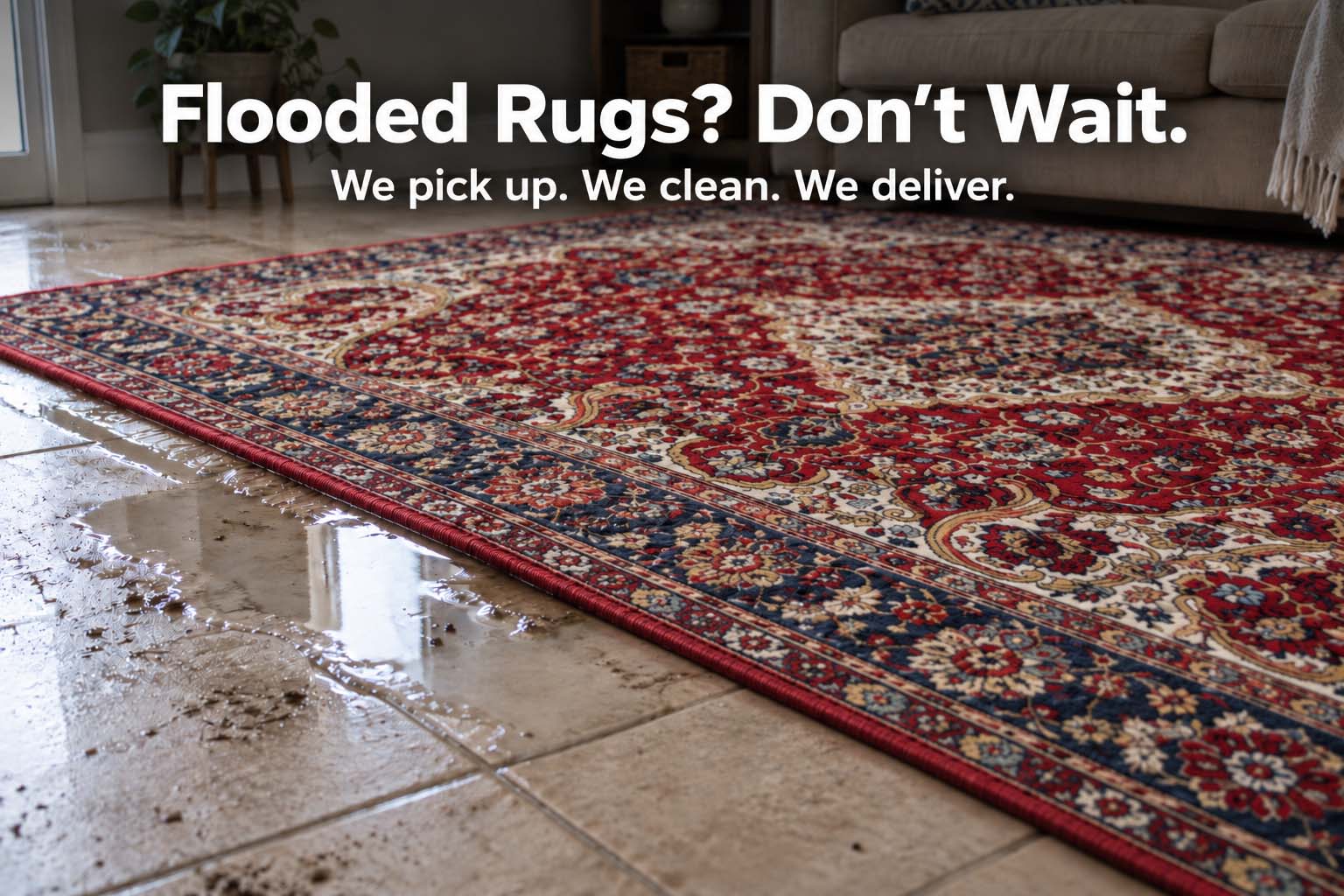
Area rugs can be different. A fine rug may require specialized in-plant washing, careful drying, and a protection plan suited to its fiber type and use. Patio cushions and outdoor furniture also need treatment selected for outdoor exposure, moisture, and mildew concerns rather than an indoor carpet approach.
Protection is preventive care, not just a stain response
Homeowners often call for cleaning after a spill has become a problem. That service is valuable, but preventive protection gives you more control before the emergency arrives. It can reduce permanent staining risk, make routine maintenance easier, and help your home feel cared for without adding another demanding task to your schedule.
The goal is not a home where nothing is ever spilled. Real homes are lived in. The goal is to give your carpet, rugs, and upholstery a better chance to recover when life happens, while keeping professional cleaning focused on preservation instead of expensive rescue work.
If you are planning a carpet, rug, or upholstery cleaning, ask whether protection is appropriate for each surface. A clear recommendation based on fiber type, condition, and how your household uses the space can help you keep your home cleaner, save money on premature replacement, and worry less when the next spill occurs.