A hardwood floor can look tired long before it is ready to be sanded. In busy Memphis homes, the dull haze often comes from tracked-in grit, pet residue, kitchen film, old cleaning products, and traffic patterns – not from a failed floor. Understanding hardwood cleaning versus refinishing can help you choose the right level of care, avoid unnecessary expense, and protect one of the most valuable surfaces in your home.
The key question is simple: Is the wood itself damaged, or is the protective finish on top of it just dirty? A professional evaluation can make that distinction clearer and save you from treating a maintenance issue like a major restoration project.
Hardwood Cleaning Versus Refinishing: The Real Difference
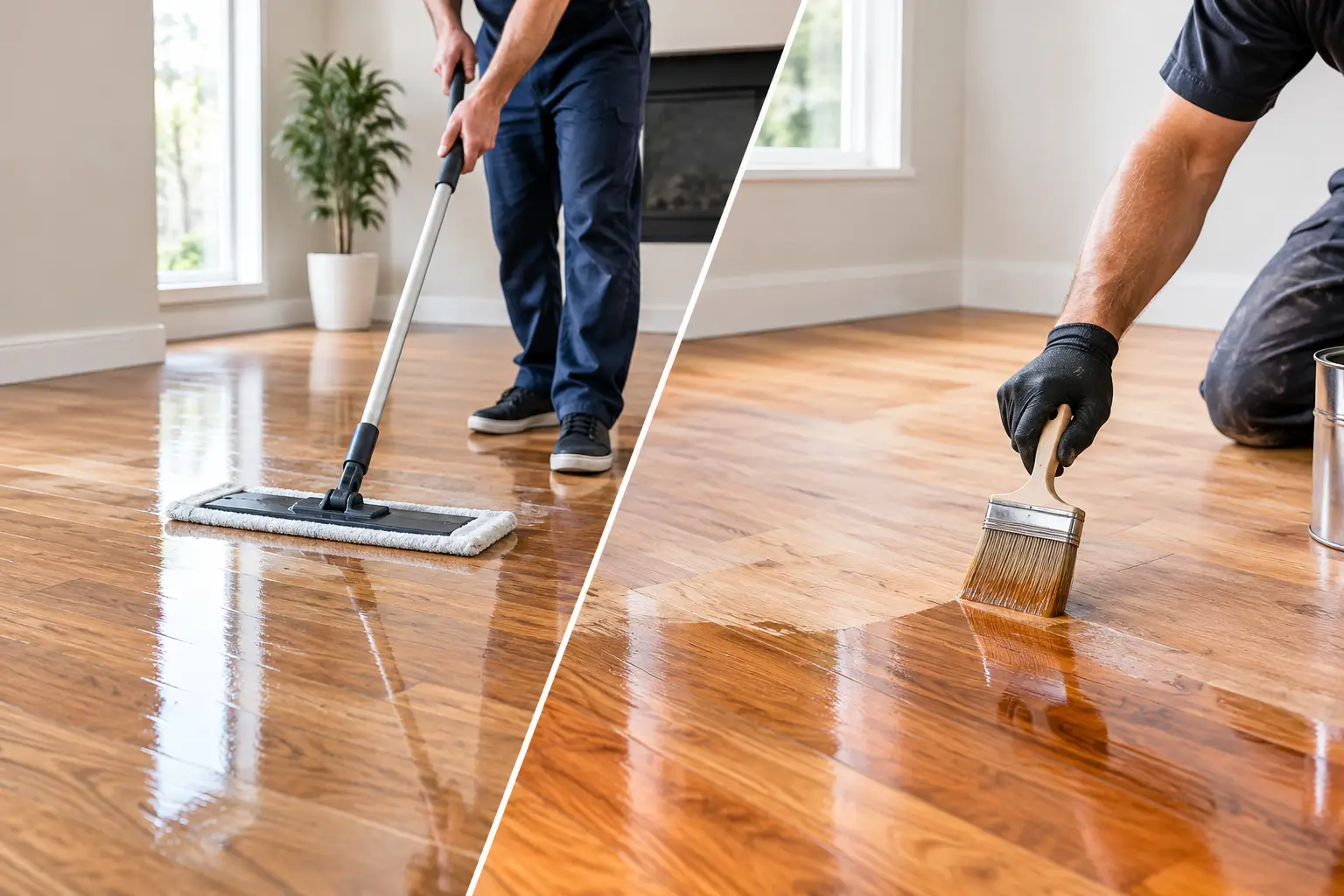
Professional hardwood cleaning is a maintenance service. It targets the soil, oils, residue, and contaminants that settle on the finished surface of the floor. The goal is to remove what is hiding your floor’s natural color and sheen without aggressively removing the finish that protects the wood.
Refinishing is a restoration process. It typically involves sanding away the existing finish, addressing scratches or discoloration, then applying new stain if desired and fresh protective coats. Refinishing can dramatically change a floor’s appearance, but it is more invasive, takes longer, creates more disruption, and costs considerably more than cleaning.
Neither service is automatically better. The right choice depends on the floor’s condition, its finish, the species of wood, past maintenance, and how much wear it has received. A family room with dull traffic lanes may need deep professional cleaning. A floor with exposed bare wood, deep gouges, and widespread finish failure may need refinishing.
When Professional Hardwood Cleaning Is the Better Fit
Many homeowners are surprised by how much brighter their floors look once embedded soil and cleaner buildup are removed. Floors can appear gray, sticky, streaky, or unevenly dull when residue sits on the finish. Store-bought sprays, soap-based products, waxes, and too much water can all leave behind a film that attracts more soil.
Professional cleaning is often a strong option when the floor still has an intact protective coating but looks worn down by everyday living. This includes light surface scuffs, traffic lanes near entryways, paw prints, cooking residue around the kitchen, and a general loss of clarity.
A surface-specific cleaning process uses controlled moisture and appropriate solutions to lift away buildup without soaking the seams or leaving a heavy residue behind. That matters because excess water is one of hardwood’s biggest enemies. Moisture can swell boards, weaken edges, and create problems that no homeowner wants to discover after a DIY mopping session.
For households with children, pets, and a full weekly schedule, cleaning is also the convenient choice. It refreshes the appearance of the floor with far less interruption than a sanding project. In many cases, it is the sensible first step before deciding that a larger restoration is necessary.
Signs your hardwood likely needs cleaning
If the floor looks dull but feels smooth, cleaning may be the answer. The same is true when a clean white cloth picks up dark residue after rubbing a small area, or when the floor looks better immediately after damp wiping but becomes hazy again as it dries.
Another clue is location. Dirt is usually concentrated around exterior doors, hallways, kitchen work zones, pet beds, and dining areas. When the finish looks healthier in low-traffic areas but duller where people walk most, accumulated soil may be doing much of the visual damage.
When Refinishing Is Worth the Disruption
Cleaning cannot replace a missing finish. If the protective layer has worn through, wood fibers are exposed to dirt, moisture, and stains. At that point, cleaning can improve the appearance, but it cannot rebuild the protection the floor needs.
Refinishing is generally appropriate when scratches are deep enough to catch a fingernail, boards have widespread bare patches, water stains have penetrated the wood, or the finish is peeling, cracking, or separating. Severe pet damage, long-term sun fading, and dark stains from moisture may also require more than cleaning.
Older solid hardwood floors can often be sanded and refinished several times during their life, depending on the thickness of the wear layer and the condition of the boards. Engineered hardwood requires more caution. Some engineered products have only a thin top layer of real wood, which may limit how much sanding they can safely tolerate. Laminate flooring is different altogether: it cannot be refinished because its wood-look surface is not solid wood.
Refinishing can be an excellent investment when it is truly needed. It gives homeowners an opportunity to repair damage, renew protection, and potentially update the color of the floor. Still, it should not be the default response to dullness. Sanding removes material, and doing it before it is necessary can shorten the service life of the floor.
The Cost of Waiting Too Long
There is a middle ground between unnecessary refinishing and ignoring a floor until it fails. Regular professional cleaning helps remove abrasive grit before it acts like sandpaper under shoes, socks, chair legs, and pet paws. It also makes it easier to notice emerging wear before moisture reaches the wood.
Once a finish has worn away in high-traffic areas, ordinary spills become more serious. A dropped ice cube, wet shoes by the door, or a pet accident can penetrate exposed wood much more quickly than a properly protected surface. Preventive maintenance is usually less expensive and less disruptive than waiting for damage to spread.
For rental properties and commercial spaces, this is especially practical. Scheduled care can keep floors presentable between tenants or during regular business operations while helping property owners plan restoration work on their terms rather than responding to preventable damage.
Why DIY Hardwood Care Can Create Problems
Good intentions can leave hardwood worse than before. Steam mops force heat and moisture into seams. Vinegar can dull or weaken some finishes over time. Oil soaps and waxes may create a cloudy buildup, interfere with future coating work, and turn a simple cleaning issue into a more complicated restoration conversation.
The safest daily approach is modest: use entry mats, wipe spills promptly, place protective pads under furniture, and sweep or vacuum with a hardwood-safe setting. Avoid dragging furniture and avoid saturating the floor. These small habits reduce the amount of grit that reaches the finish in the first place.
When the floor needs more than routine upkeep, professional care brings the benefit of correct products, controlled moisture, and a trained eye. Not every hardwood finish responds the same way, and the wrong cleaner can leave behind residue or alter the appearance of the surface.
A Practical Way to Decide
Start by looking at your floor in natural light, especially near windows and doorways. If it is dull, hazy, or grimy but the surface remains smooth and protected, schedule a professional cleaning assessment first. It is the less invasive option and often delivers the visible refresh homeowners hoped to achieve.
If you see bare wood, deep scratches, splintering, peeling finish, or stains that have clearly entered the wood, ask about refinishing. A qualified floor professional can help identify whether a targeted repair, screen-and-recoat option, or full sanding project makes the most sense.
At PSH Floorcare, the focus is on protecting the life of the surface, not recommending more work than your floor requires. Proper cleaning can restore a cleaner, more even appearance and help preserve the finish you already have.
Your hardwood floors carry a lot of family life – morning rushes, holiday guests, pets racing down the hallway, and every ordinary day in between. Give them the level of care their condition calls for, and they can stay beautiful, protected, and easier to live with for years to come.